

Flow Genomics is eliminating the wait in Canadian biotechnology. See how Daniel Giguere is using synthetic biology to make it happen
Jamie Wilson from UOttawa won the logo contest with this beautiful design. See more of her artwork throughout this article.
At our 2025 Annual General Meeting (AGM), directors and executives had a chance to summarize all of our accomplishments over the past year.

Announcing the last awardee of our National Summer of Synbio competition! Sponsored by Flow Genomics

Synbio Canada announces its second awardee as part of the National Summer of Synbio competition! Sponsored by Flow Genomics

Synbio Canada announces its first awardee as part of the National Summer of Synbio competition! Sponsored by Flow Genomics


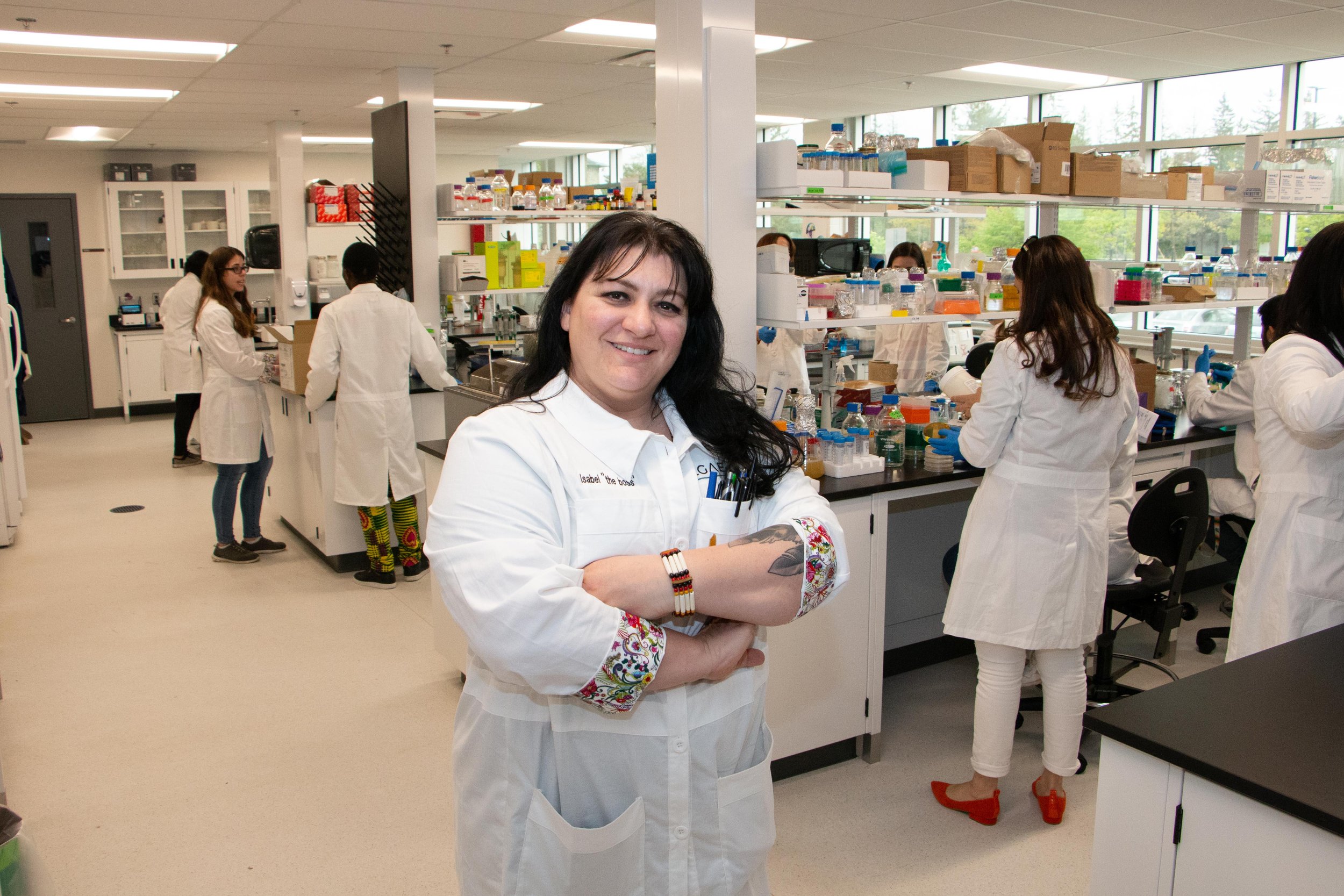

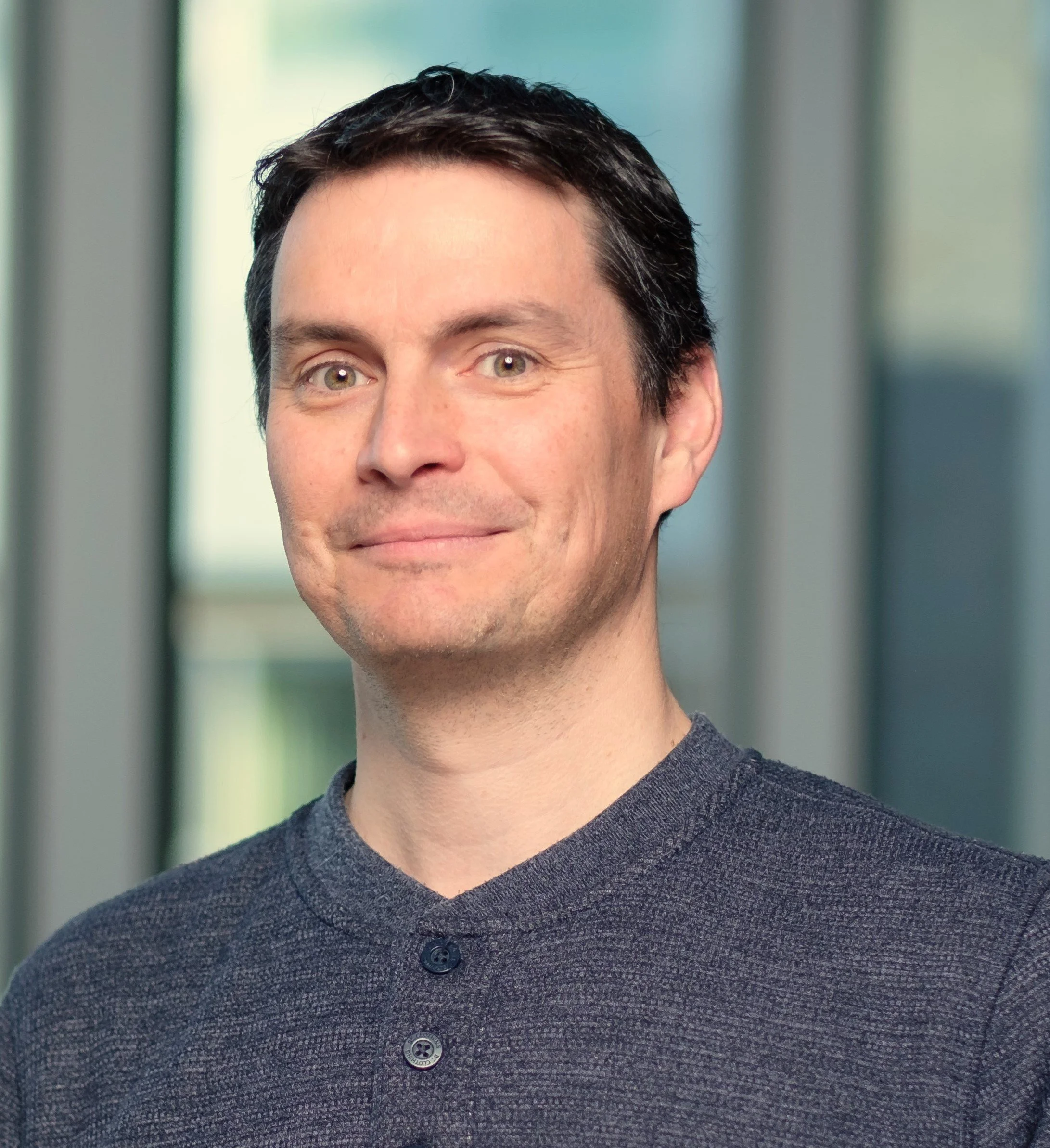




Kevin Chen is the co-founder and CEO of Hyasynth Bio. He completed his Honors Bachelor of Science in Biochemistry at Queen's University and went on to start up Hyasynth Bio. Hyasynth Bio is a synthetic biology company that specializes in creating strains of yeast that produce cannabinoids. Cannabinoids are naturally occurring compounds found in the cannabis plant, two of the most popular being THC and CBD. Cannabinoids have applications in nutritional, pharmaceutical, and recreational-use products. Since Hyasynth specializes in engineered yeast, their platform is adaptable, efficient, and scalable. The yeast is grown in fermenters and fed sugar and water over the course of a few days, after which the end product is extracted and purified. The cannabinoids can be included in a variety of products including pills, oils, and topical formats. The goal of Hyasynth is to customize combinations of cannabinoids and find rare cannabinoids that can be beneficial for a variety of diseases.
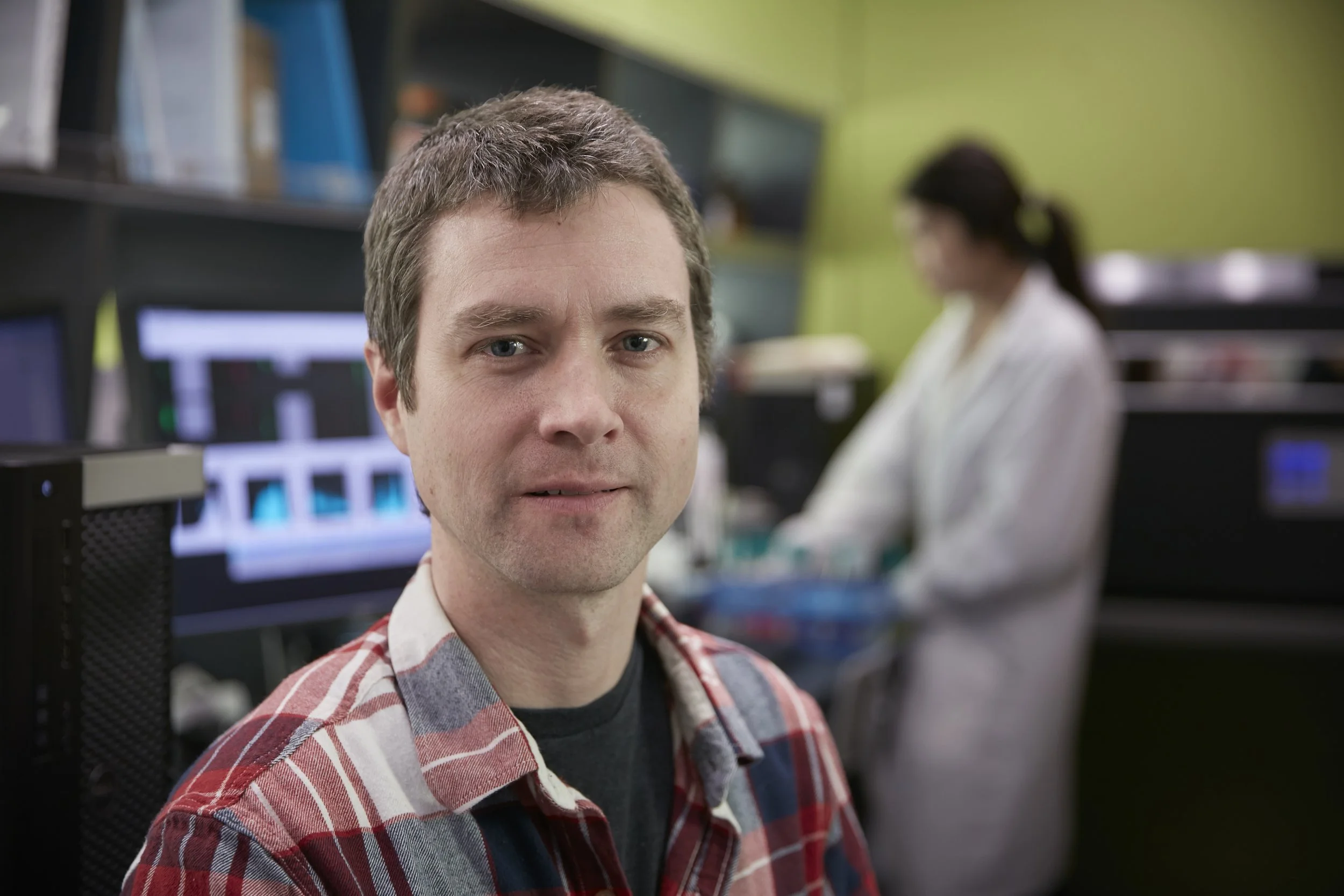
Dr. Brian Ingalls is a professor at the University of Waterloo in the Department of Applied Mathematics. He is also cross appointed to the Departments of Biology and Chemical Engineering. Dr. Ingalls’ research is focused on synthetic and systems biology. His lab is the Ingalls Quantitative Cell Biology Lab at the University of Waterloo, where his group utilizes mathematical and computational tools to build and analyze kinetic models of biomolecular systems. Their focus is on intracellular networks and heterogeneous microbial communities. Currently, their projects are centered on model-based design of synthetic bacterial gene regulatory systems.


The BioExperience program was an interactive and collaborative learning experience in which teams of 6-8 undergraduate students from a wide variety of programs and faculties worked together on various self-guided projects related to synthetic biology. The 2020 BioExperience Program consisted of 7 different teams which investigated various topics ranging from removing microplastics from wastewater to creating a 3D bioprinter.

I learned about synthetic biology 7 months ago, in September 2020. Over the summer, I first learned to code in Python, then in JavaScript, and now in Java. When I first heard about the development and application of computer science techniques to biology, I was hooked.
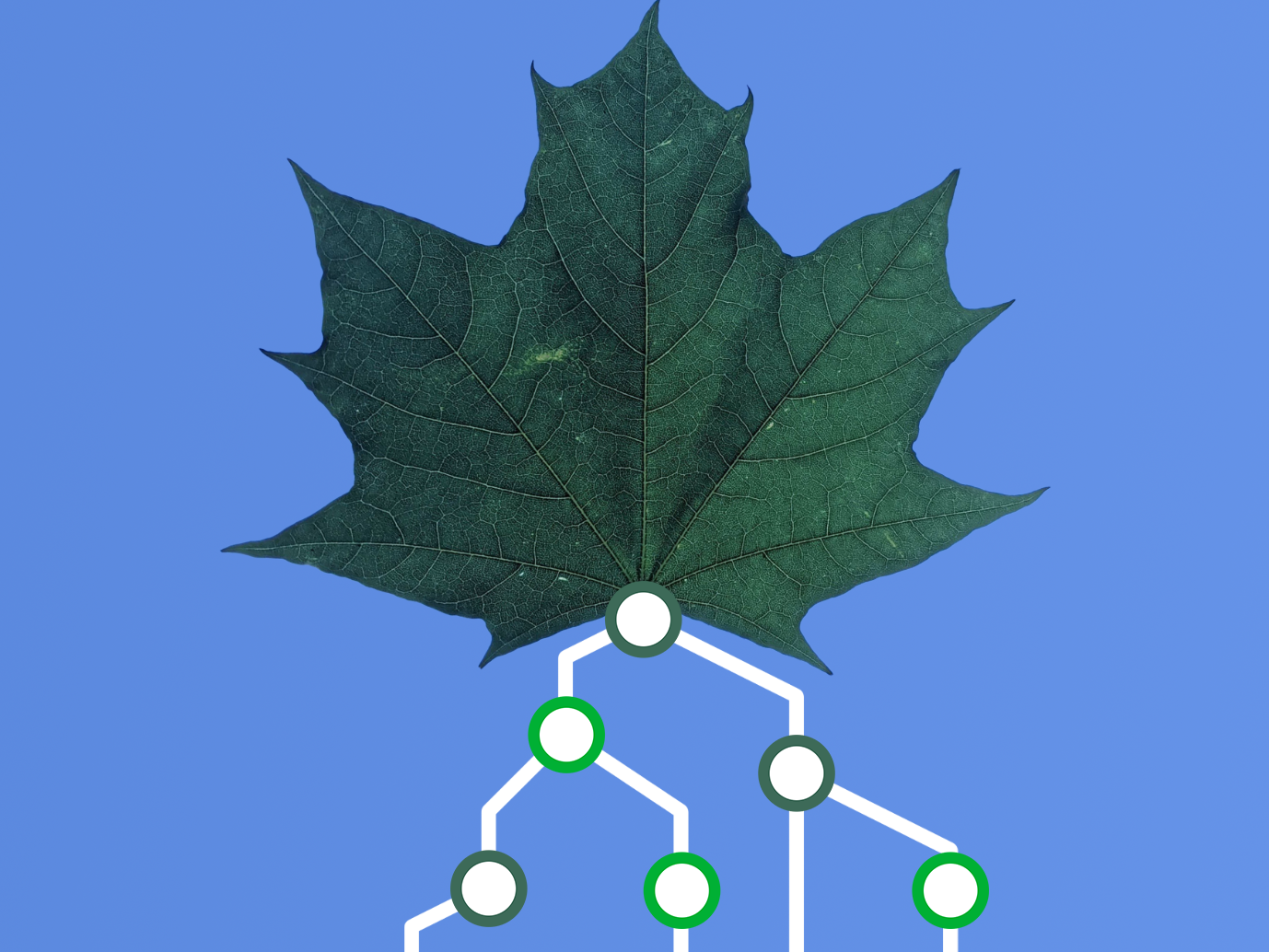
Canadian post-COVID-19 economic recovery efforts have been framed around values aligned with Canada's commitments to the United Nations Sustainable Development Goals (SDGs), primarily concerning environmental sustainability. The field of synthetic biology (synbio) offers many innovative ways to achieve these goals while growing the economy.

While the cGEM 2020 conference provided a platform for Canadian iGEM teams to showcase their work, this event also fostered conversations on many aspects of synthetic biology with students, industry leaders, and academic professionals.

The first-ever Canadian iGEM (cGEM) conference was held on October 3rd and 4th. With over 240 participants registered, 10 iGEM teams presenting, 4 workshops, multiple panels, and keynote speakers, this event fostered important synthetic biology discussions.
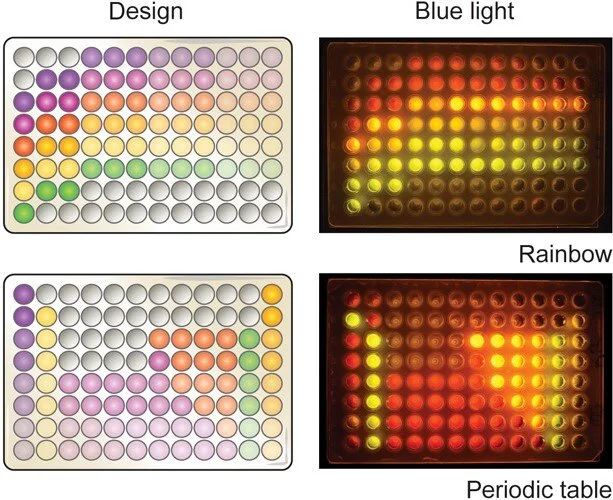
BioBits Bright, is a just-add-water synthetic biology kit where cell-free reactions are used to express fluorescent compounds as visual stimulation, jointly worked on by UofT synthetic biologist Dr. Keith Pardee.
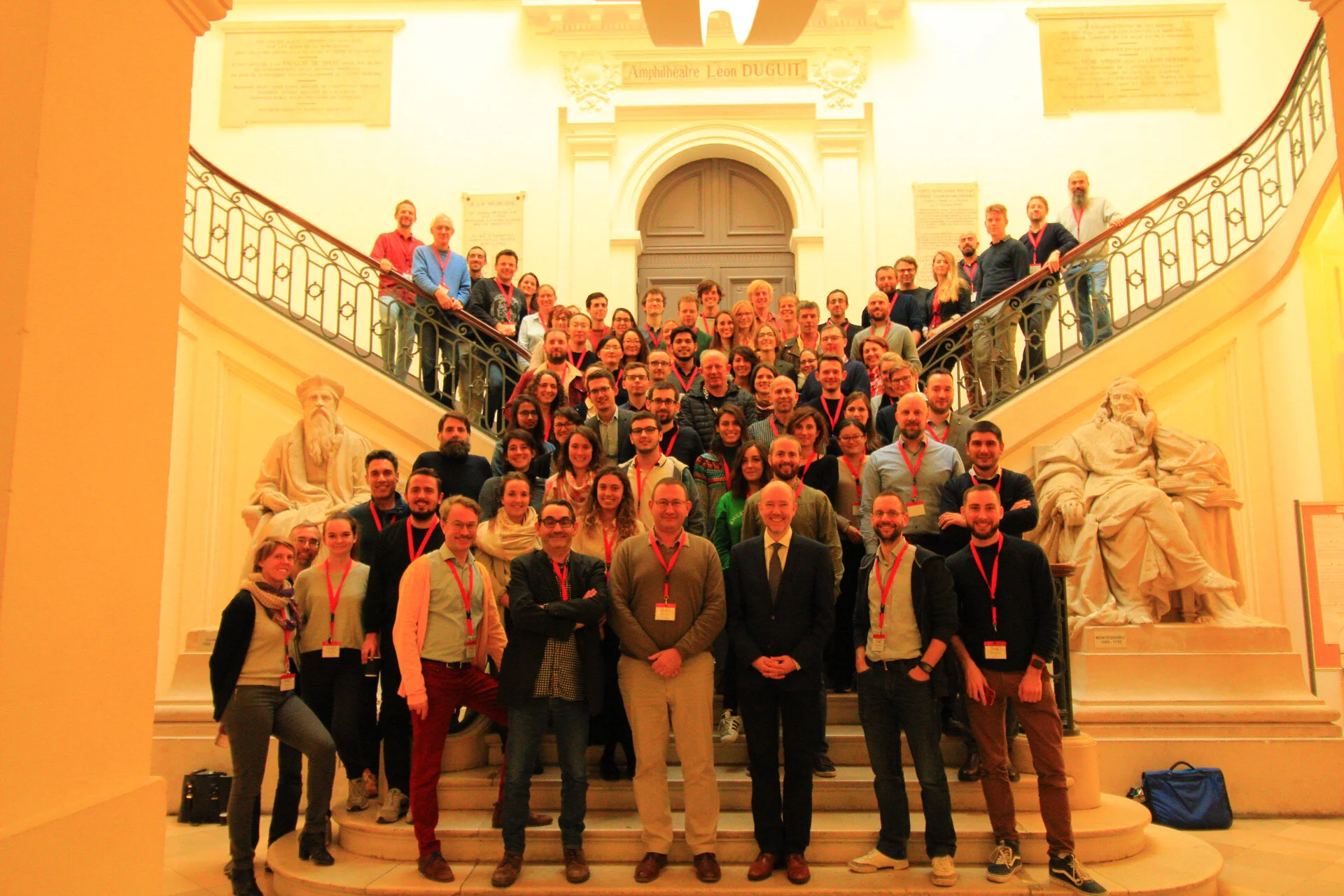
In November I had the opportunity to attend Bio SynSys in Bordeaux, France as the representative for SynBio Canada. We were invited to participate in a panel discussion featuring members from a number of Synthetic Biology Organizations.
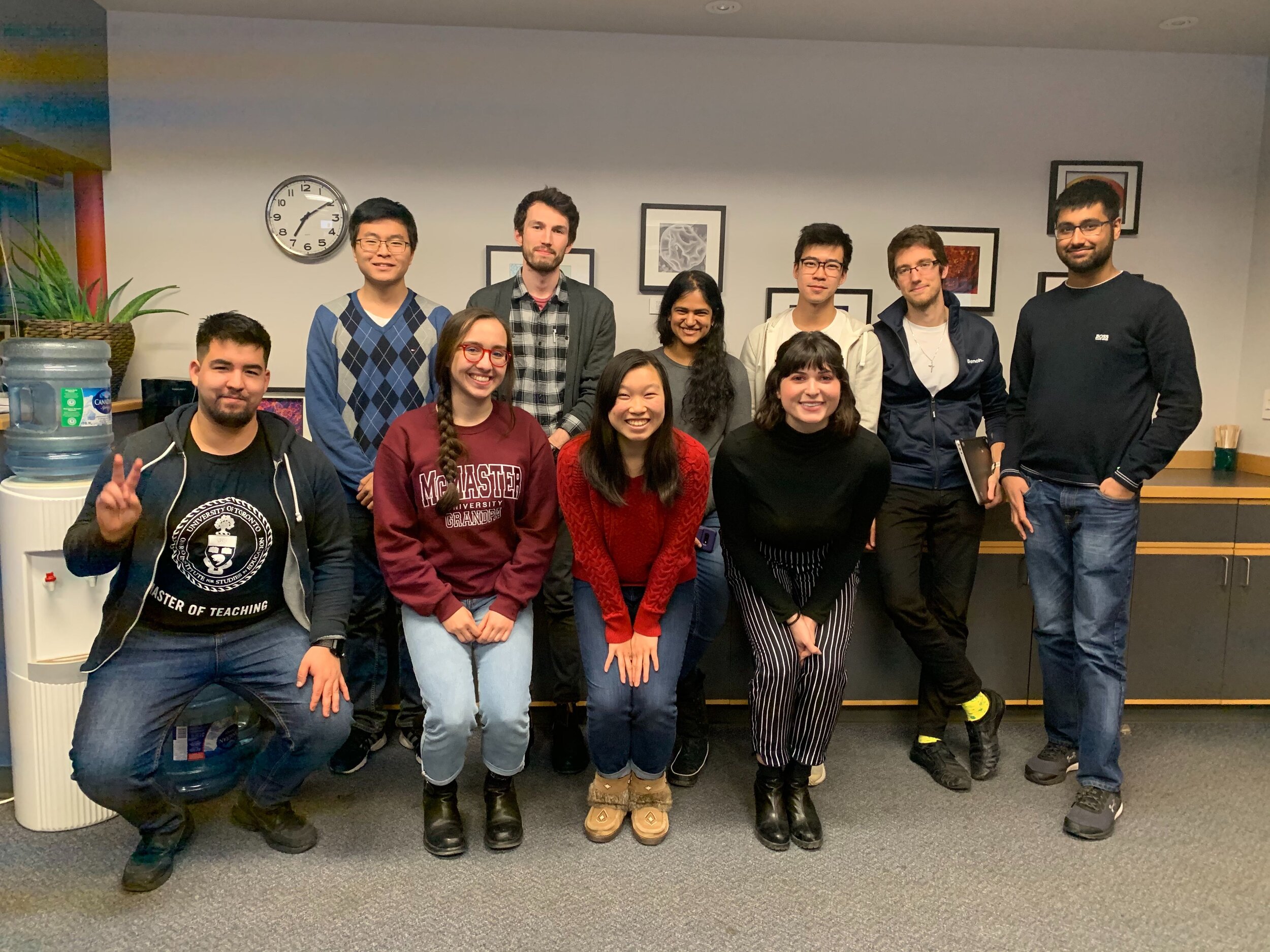
CSBERG is a graduate student-led “teaching R&D” program for synthetic biology at the undergraduate level. We consist of iGEM Toronto/Calgary/Waterloo alum (many now graduate students), BioZone graduate students, and colleagues from multiple universities in Ontario and Québec.

Our Canadian iGEM projects are mostly self-funded, and completely extra-curricular, with passionate students who clearly want more than sitting behind their desks. This is what iGEM has given our students, from fifteen Canadian institutions. This is also the first time in history a Canadian team is a finalist - Calgary being first runner up in the undergraduate division. Canada has never performed this well at a Jamboree!

Medicines are going to be made by design and synthetic biology is going to be a key enabler to realize these new approaches in medicine. Medicine by Design is not only a promising concept; it is also the name of an initiative at the University of Toronto (U of T) that aims to accelerate this new era of medicine.
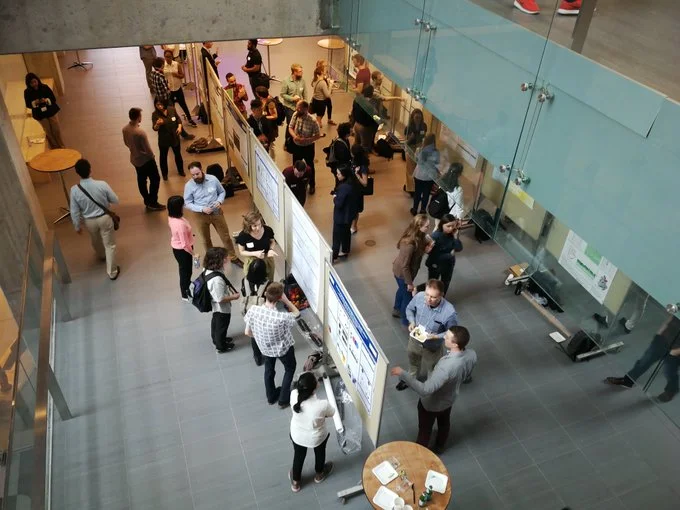
This year SynBio 4.0 featured researchers from a variety of Canadian academic institutions and companies, and for the first time, included a day dedicated to student-focused workshops. Here we summarize the conference activities, giving a snapshot into the diverse range of synbio research being undertaken across Canada.
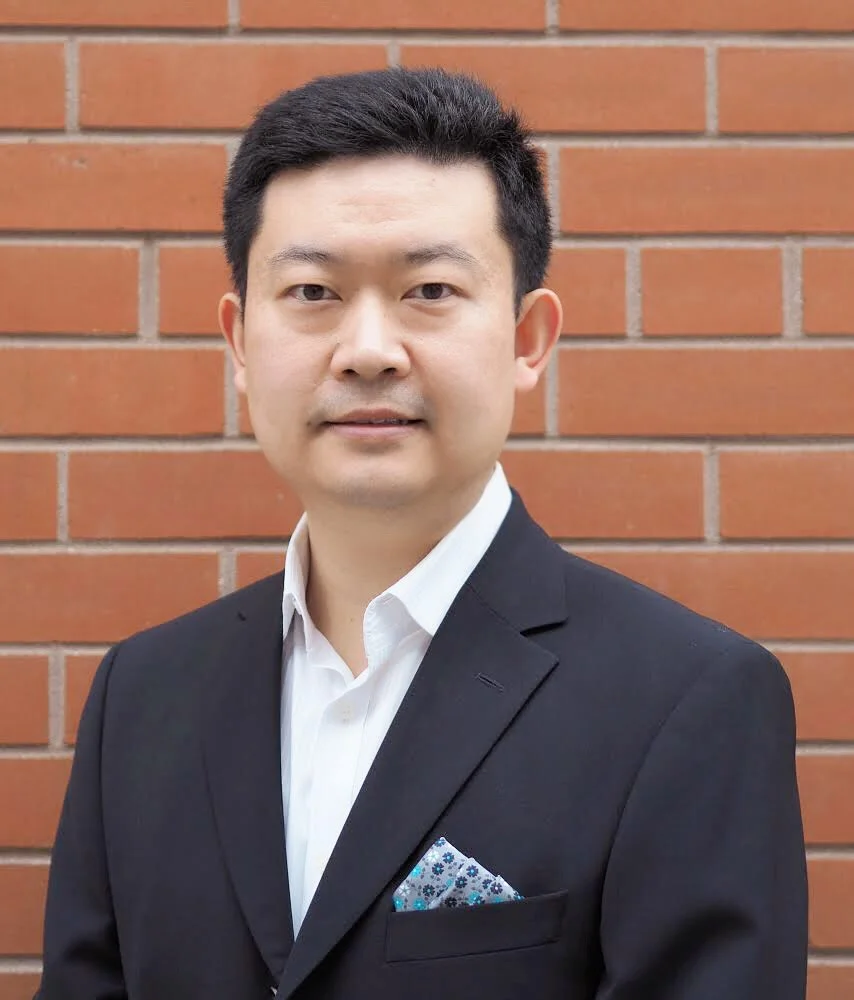
We spoke with Dr. Wei Zhang, who is an Assistant Professor in the Department of Molecular and Cellular Biology at University of Guelph, working to engineer cell signaling via protein engineering.
Announcing the awardee of August of our National Summer of Synbio competition! Sponsored by Flow Genomics

Design. Build. Test. Repeat. How the Genome Foundry is Accelerating the Future of Synthetic Biology