
We aim to host a profile for every professor, research institute, and company interested in synthetic biology.
Professors & Researchers
Quebec

Using humanized S. cerevisiae (baker's yeast) as a platform to develop new medicines.
Synthetic biology using metabolic engineering for the reconstruction of plant metabolic pathway in microalgae for the validation of pathway genes and the production of valuable molecules.
Our group is interested in sustainable production of chemicals by reprogramming simple organisms, such as yeast, into "smart chassis" to yield customizable products.
We are a systems genetics and synthetic biology group interested in repurposing model organisms by humanizing yeast. Our laboratory aims to engineer human biological processes in simplified cells to study disease and evolution.
We investigate how phenotypes and disease states emerge from the interplay of genetic determinants in yeast and human cells.
We are synthetic biologists with a strong penchant for metabolic engineering and industrial strain improvement. We like yeast but will play with other unicellular bugs as well.
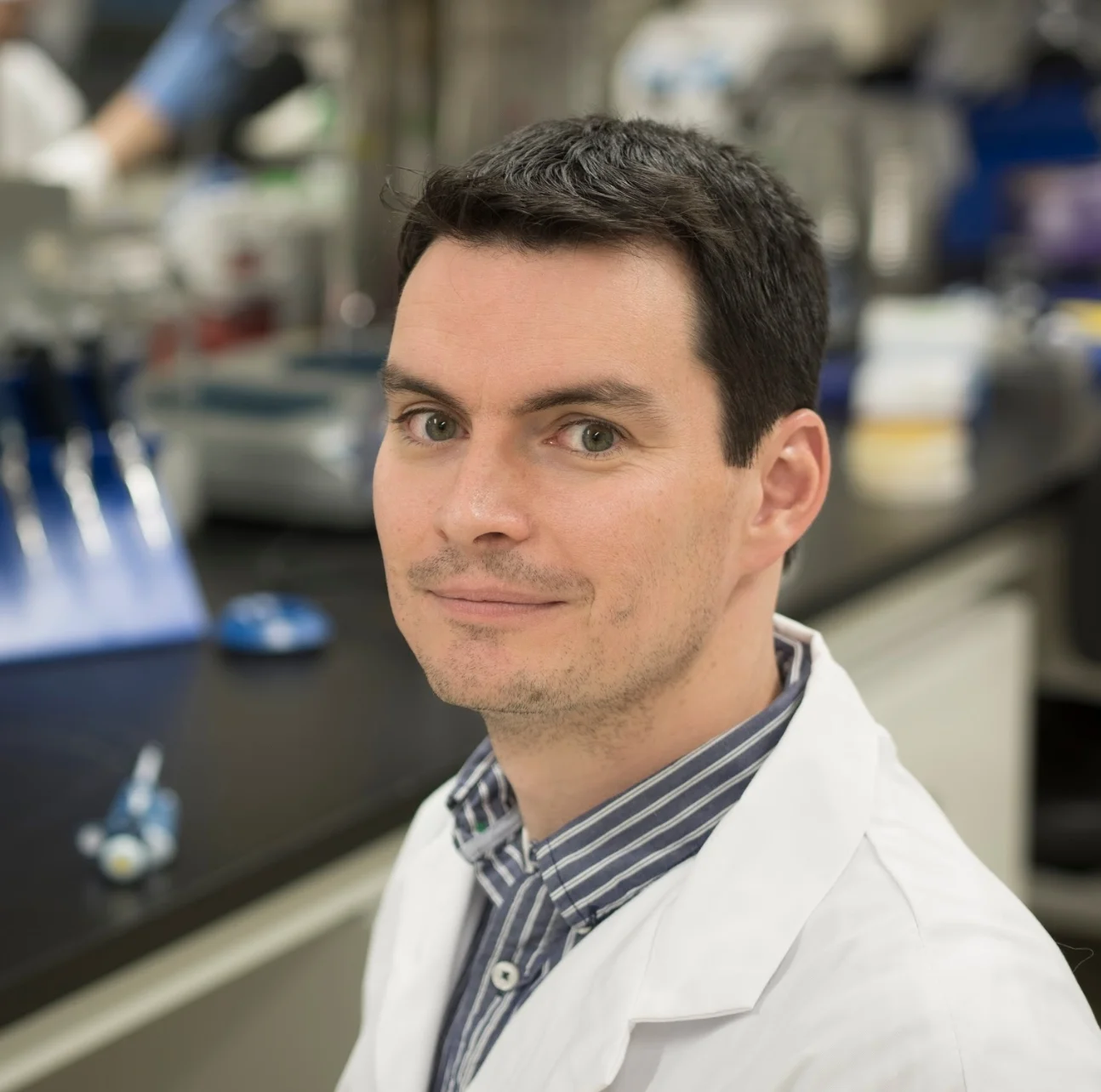
My laboratory is mainly interested in microbial systems and synthetic biology. We use and develop cutting-edge approaches to understand and engineer bacterial cells.

Synthetic biology strategies for the biosynthesis of fine chemicals, especially lipid-based drugs and biofuels
SynBioApps offers graduate training in the various technologies of synthetic biology, including work in Concordia University’s Genome Foundry.
Ontario
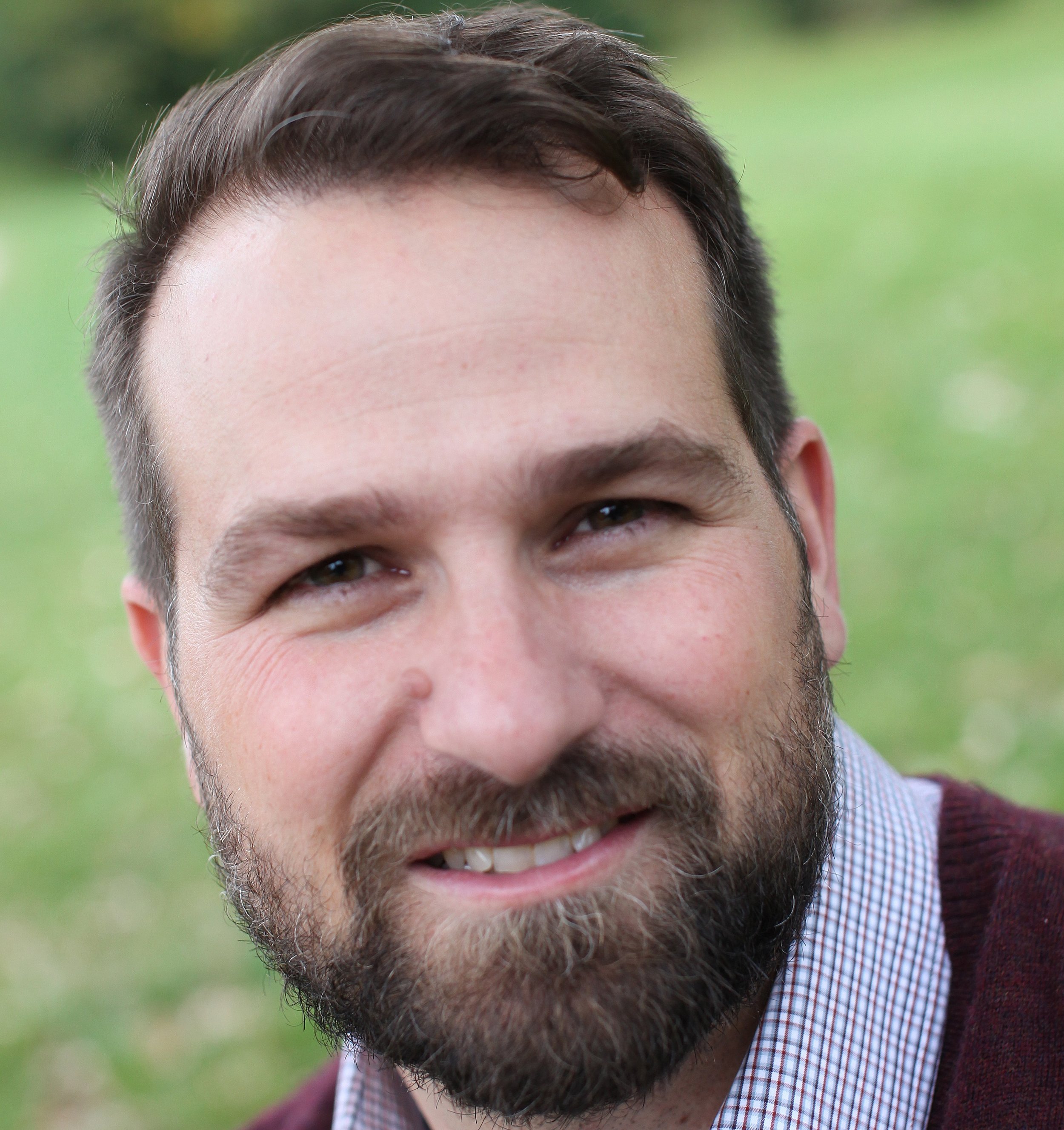
We aim to characterize viral promoters to control the production of proteins in insect cells with the goal of creating a manufacturing assembly line for complex biologics.
Development of yeast chassis for synthetic biology applications.
We're a newly established lab looking at how proteins behave at solid interfaces. Most of our understanding of protein science comes from fluid environments. However, solids are another incredibly relevant medium to modern biotech applications, and we don't yet have a strong understanding of how proteins interact with them.

We take advantage of latest synthetic biology approaches to increase the scale or resolution at which we can interrogate the systems biology of the cell.
Metabolomics and computational analysis of cells in cultures, bioreactors and biological systems.
Professor Charles is a microbiologist with expertise in bacterial molecular genetics. His research group studies the mechanisms of gene regulatory circuits that control the interactions of Rhizobiales bacteria such as Sinorhizobium meliloti with their eukaryal hosts.
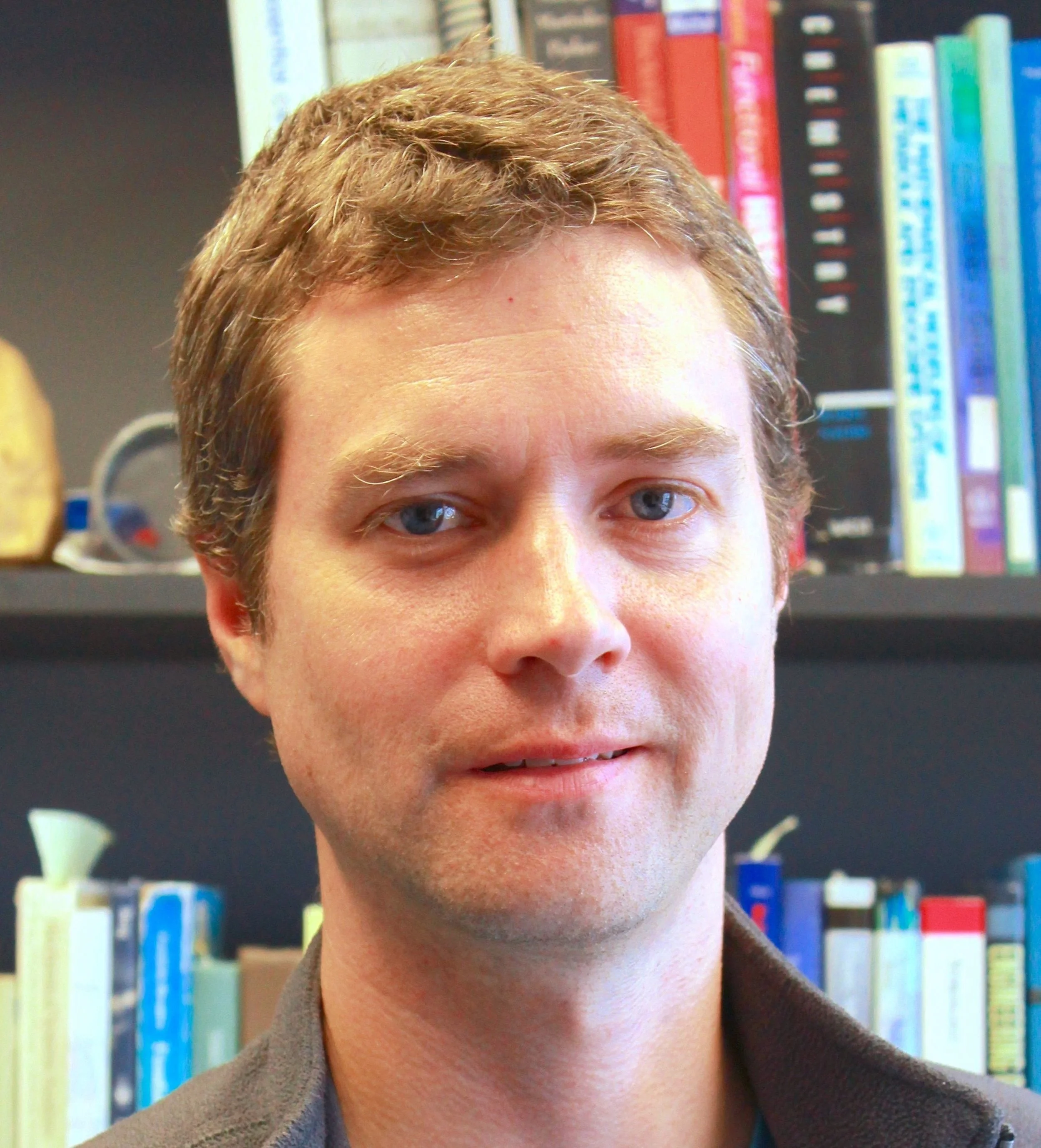
Our group uses mathematical and computational tools to construct and analyse kinetic models of biomolecular systems. Our current projects are primarily focused on model-based design of synthetic bacterial gene regulatory systems.
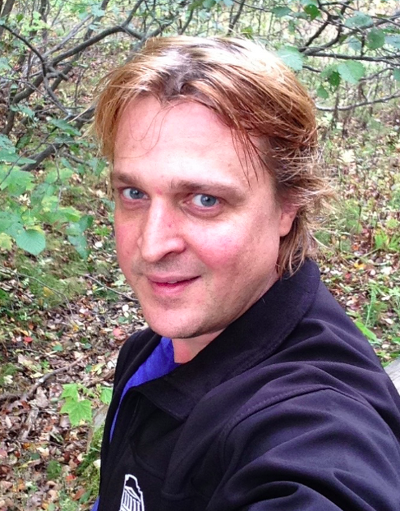
I believe that Synthetic Biology will continue to play a significant role in medical innovation, including engineered virus and engineered immune cells that can cure cancer.
We are utilizing Synthetic Biology tools for improving the productivity of agricultural crops. Specifically, we apply precise gene editing tools to improve tolerance to pests, diseases and abiotic stress of economically important agricultural crops, such as wheat, canola and pulse.
Research in the Karas lab is focused on developing innovative genetic tools to enable the engineering of microbes to produce medicines, DNA storage technologies, food and next-generation fuels.
BioZone aims to use Bioengineering to create a sustainable world by making industrial processes more sustainable, remediating humanity's environmental impact, and improving health outcome.
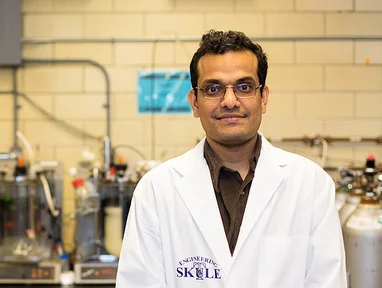
Our group primarily works on engineering metabolism in bacteria and yeast to produce chemicals and therapeutic molecules. Through the use of computational strategies on genome scale metabolic models of these organisms, we identify genetic intervention strategies to enhance target molecule production.
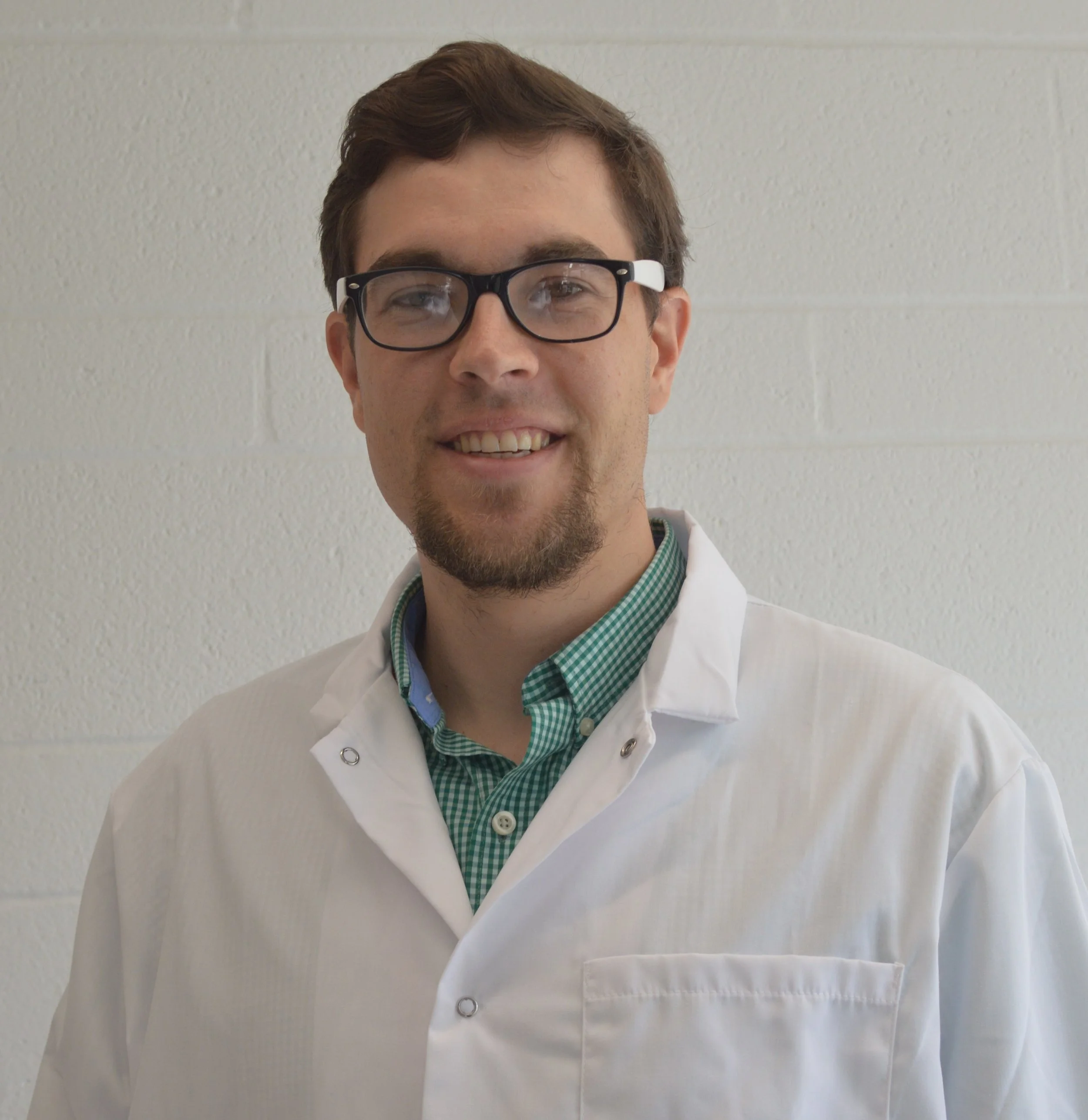
Chimeric antigen receptor T cells (CAR-T) are an exciting new avenue to redirect immune cells to target and kill cancer. While breakthroughs in CAR-T therapy have led to life-saving treatments for patients with previously incurable leukemia, such therapies have been less successful against solid tumours.
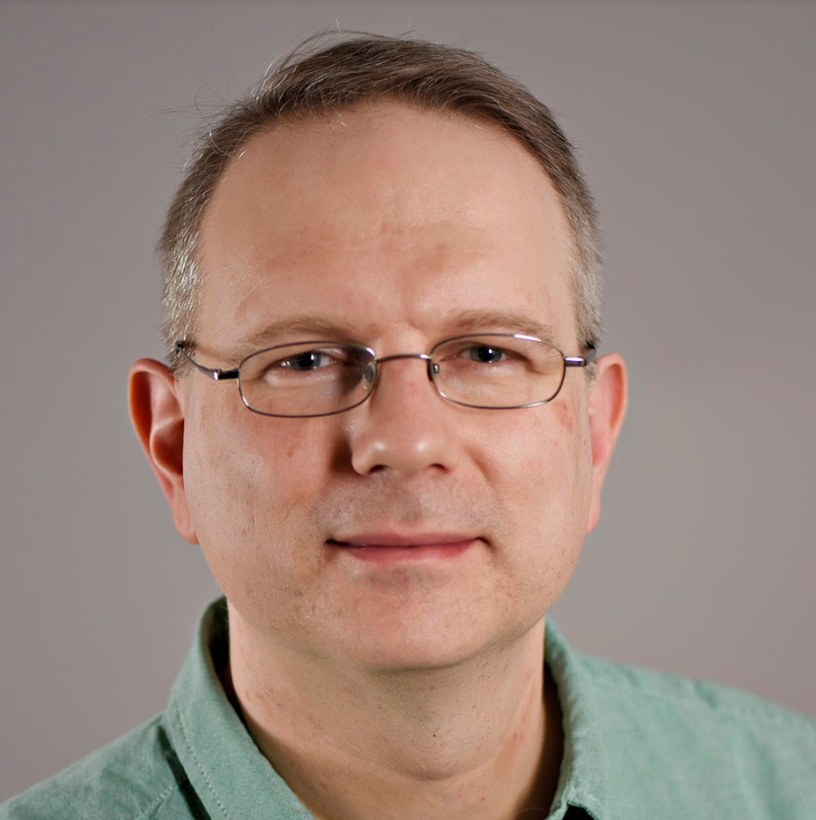
We work on (mainly) microbial synthetic biology, investigating ways to create novel solutions to real-world problems with engineered microbes.
As a bioethicist, I am interested in the science and development of synthetic biology and in ethical questions that arise from its use, as well as in its impact on health care, the workforce and the environment.
We develop new methods in the domains of Genomics and Synthetic Biology, using microfluidics and computational biology.
My research group at the University of Guelph is developing new CRISPR-based platforms for functional genomic analysis in fungal pathogens.
We aim to engineer microalgae to produce proteins for medical and industrial uses as well as engineer metabolic pathways in microbial platforms for the production of isoprenoids.
Optogenetic control, photo-controlled proteins

My lab will open in July 2018 at the Department of Molecular and Cellular Biology, University of Guelph. We are creating synthetic proteins using bimolecular engineering approaches to accelerate understanding of biology and development of novel therapeutics.
Alberta
Interested in bioethical concerns.
My research program combines physics and synthetic biology to make fundamental advances in our understanding of living systems and to apply this knowledge to the growing problem of antimicrobial resistance.
I am the primary investigator for the Lethbridge high school iGEM team and the manager of SynBridge, the U of L's synthetic biology maker space.
We use genomics approaches to build bacterial biosensors for environmental pollutant monitoring.
Intersection of genome sequencing/bioinformatics, interpretation and editing.
We investigate the potential application of synthetic biology for performing metabolic engineering of yeast, bacteria and cyanobacteria.
British Columbia

Dang Group integrates biochemistry, chemistry, bioinformatics, and molecular genetics to elucidate and engineer the biosynthesis of valuable small molecules from medicinal plants.

Dr. Hallam directs the ECOSCOPE innovation ecosystem consisting of an NSERC CREATE training program, a research network, a core facility for high-throughput screening and a curriculum development initiative in data science based on four research and training pillars.

The principal theme of Prof. Yadav’s research is the utilization of metabolic & enzyme engineering to investigate and customize novel biosynthetic enzymes that can convert biomass-derived feedstocks into value-added chemicals.
Research in the Zandstra Laboratory is focused on the generation of functional tissue from somatic and pluripotent stem cells. Our quantitative, technology-driven approach strives to gain new insights into fundamental mechanisms that control stem cell fate and to develop robust technologies for the propagation of stem cells and their derivatives.
Industry Profiles
Hyasynth Bio is a Montreal based company that manufactures cannabinoid ingredients using yeast fermentation and synthetic biology.

Biomatik has been serving scientists since 2002, with over 35 distributors in the world. We provide custom gene, peptide, protein, and antibody synthesis services along with a comprehensive life science catalog of stock products.

In our work we disassemble high volume, low value agricultural residual streams that many call "waste". From them we make Renewable Natural Gas, and use the revenue from that to further isolate the compounds that make up manure.
We make strains of yeast that produce cannabinoids. The cannabinoids are a collection of over 100 different compounds, of which the two most popular are THC and CBD.

As a Scientist in Zymergen I design, optimize and implement high throughput automated genome engineering workflows in bacterial and fungal systems.

At Amino Labs, our mission is to make biotechnology/synthetic biology learning and innovation accessible to everyone through beginner-friendly experiment kits and equipment for the home and school.
At FREDsense, we build portable sensors using the power of biology. Our live bacterial biosensor platform can be customized for virtually any type of chemistry and provide a fast, accurate and easy to use measurement system.
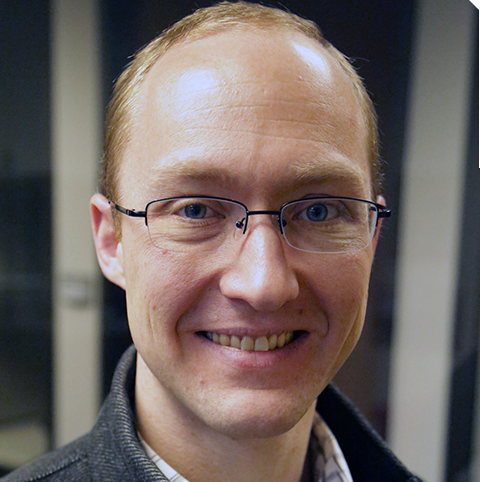
I received my PhD in Chris Voigt's lab at MIT and went on to become the first employee of Synlife, a startup based in Cambridge, MA. Synlife is building synthetic minimal cells as an innovative platform for cell therapy.
New DNA assembly technologies and more accessible and affordable lab equipment for educators and at-home innovators .

Ranomics enables transformative discoveries using genomics. Ranomics has a high throughput functional genomics pipeline that empowers drug discovery and synthetic biology.

Have worked with industry leaders on strategies for automating synthetic biology workflows. Integral in synthetic biology automation / robotic installations at multiple sites worldwide.
Research institutes & Nonprofits & policy stakeholders & International

I serve as the main point of contact in the Public Health Agency of Canada's Centre for Biosecurity for policy and engagement with stakeholders in the synthetic biology and biotechnology communities.

Our research focuses on the design of novel synthetic peptide molecules using principles inspired by synthetic biology, computational biology, and microbiology. Our current application areas include infectious diseases, antibiotic resistance, the microbiome, biomaterials and nanotechnology.

I lead synthetic biology efforts at Ontario Genomics. Together with our genome centre and government colleagues, we are aiming to support the synthetic biology community and build leadership and capacity in Canada.
The University of Lethbridge houses key cross-disciplinary expertise in plant biotechnology, genomics engineering / synthetic biology, stem cell technology, bioinformatics, neurology, precision medicine, new media and economics.