

Dr. Marc Aucoin
We aim to characterize viral promoters to control the production of proteins in insect cells with the goal of creating a manufacturing assembly line for complex biologics.

Professor, University of Waterloo
Email address: maucoin@uwaterloo.ca
Bio: We aim to characterize viral promoters to control the production of proteins in insect cells with the goal of creating a manufacturing assembly line for complex biologics.
Website: https://uwaterloo.ca/applied-virus-complex-biologics-bioprocessing-research-lab/
Twitter: @profaucoin; @AppliedVirus

Dr. Grant Brown
Development of yeast chassis for synthetic biology applications.

Professor, University of Toronto
Email Address: grant.brown@utoronto.ca
Bio: Development of yeast chassis for synthetic biology applications.

Dr. Adam Damry
We're a newly established lab looking at how proteins behave at solid interfaces. Most of our understanding of protein science comes from fluid environments. However, solids are another incredibly relevant medium to modern biotech applications, and we don't yet have a strong understanding of how proteins interact with them.

Assistant Professor, University of Ottawa
Email Address: adam.damry@gmail.com
Bio: We're a newly established lab looking at how proteins behave at solid interfaces. Most of our understanding of protein science comes from fluid environments. However, solids are another incredibly relevant medium to modern biotech applications, and we don't yet have a strong understanding of how proteins interact with them.
Our research program aims to start filling in these holes using whatever tools we can find, make, or dream up. With so much of the landscape uncharted, we'll be pioneers of sorts, but that's the exciting part! Along the way, we'll use what we learn to create biological tools with real world applications. From plastic degrading enzymes for bioremediation and recycling to immobilized enzymes in personalized medical devices to functional enzyme-linked scaffolds for industrial processes, the possibilities are endless.
Website: www.damrylab.com

Dr. Alex N. Nguyen Ba
We take advantage of latest synthetic biology approaches to increase the scale or resolution at which we can interrogate the systems biology of the cell.

Assistant Professor of Cell and Systems Biology, University of Toronto
Email address: alex.nguyenba@utoronto.ca
Bio: We take advantage of latest synthetic biology approaches to increase the scale or resolution at which we can interrogate the systems biology of the cell, or to observe the evolutionary process of cell populations under adaptation.
Website: https://annb-lab.github.io/
Twitter: @alex_nguyen_ba

Dr. Miroslava Cuperlovic-Culf
Metabolomics and computational analysis of cells in cultures, bioreactors and biological systems.
Research Officer and Team Leader, National Research Counci
Email Address: cuperlovim@nrc.ca
Bio: Metabolomics and computational analysis of cells in cultures, bioreactors and biological systems.
Website: https://www.nrc-cnrc.gc.ca/eng/

Dr. Trevor Charles
Professor Charles is a microbiologist with expertise in bacterial molecular genetics. His research group studies the mechanisms of gene regulatory circuits that control the interactions of Rhizobiales bacteria such as Sinorhizobium meliloti with their eukaryal hosts.
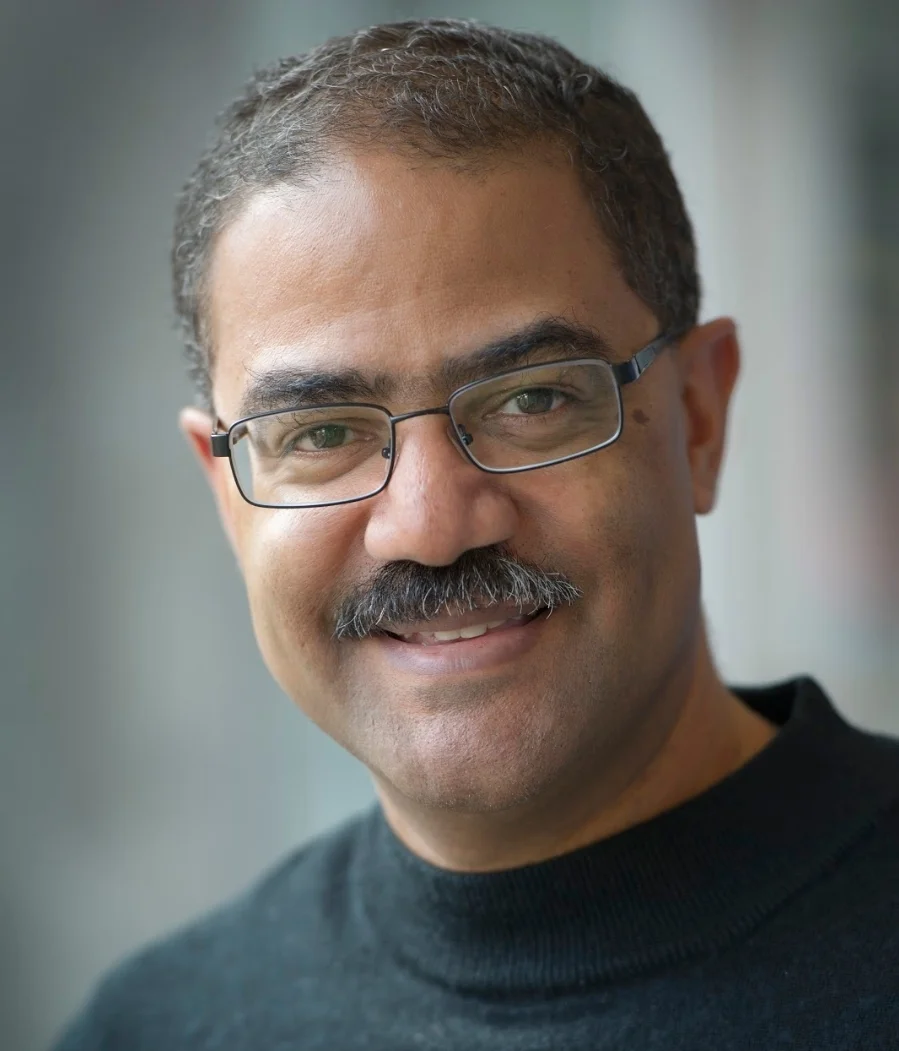
Professor, Waterloo Centre for Microbial Research, University of Waterloo / CSO, Metagenom Bio Inc.
Email Address: tcharles@uwaterloo.ca
Bio: Professor Charles is a microbiologist with expertise in bacterial molecular genetics. His research group studies the mechanisms of gene regulatory circuits that control the interactions of Rhizobiales bacteria such as Sinorhizobium meliloti with their eukaryal hosts.
The group also develops methods for functional metagenomics using alternate surrogate hosts, and employs these methods to isolate novel genes with interesting functions from microbial community genomic libraries.
Current research emphasis is on functional metagenomics, bioplastics and bacterial genome engineering.
Website: https://uwaterloo.ca/biology/people-profiles/trevor-c-charles
Twitter: @trevorcharles

Dr. Brian Ingalls
Our group uses mathematical and computational tools to construct and analyse kinetic models of biomolecular systems. Our current projects are primarily focused on model-based design of synthetic bacterial gene regulatory systems.
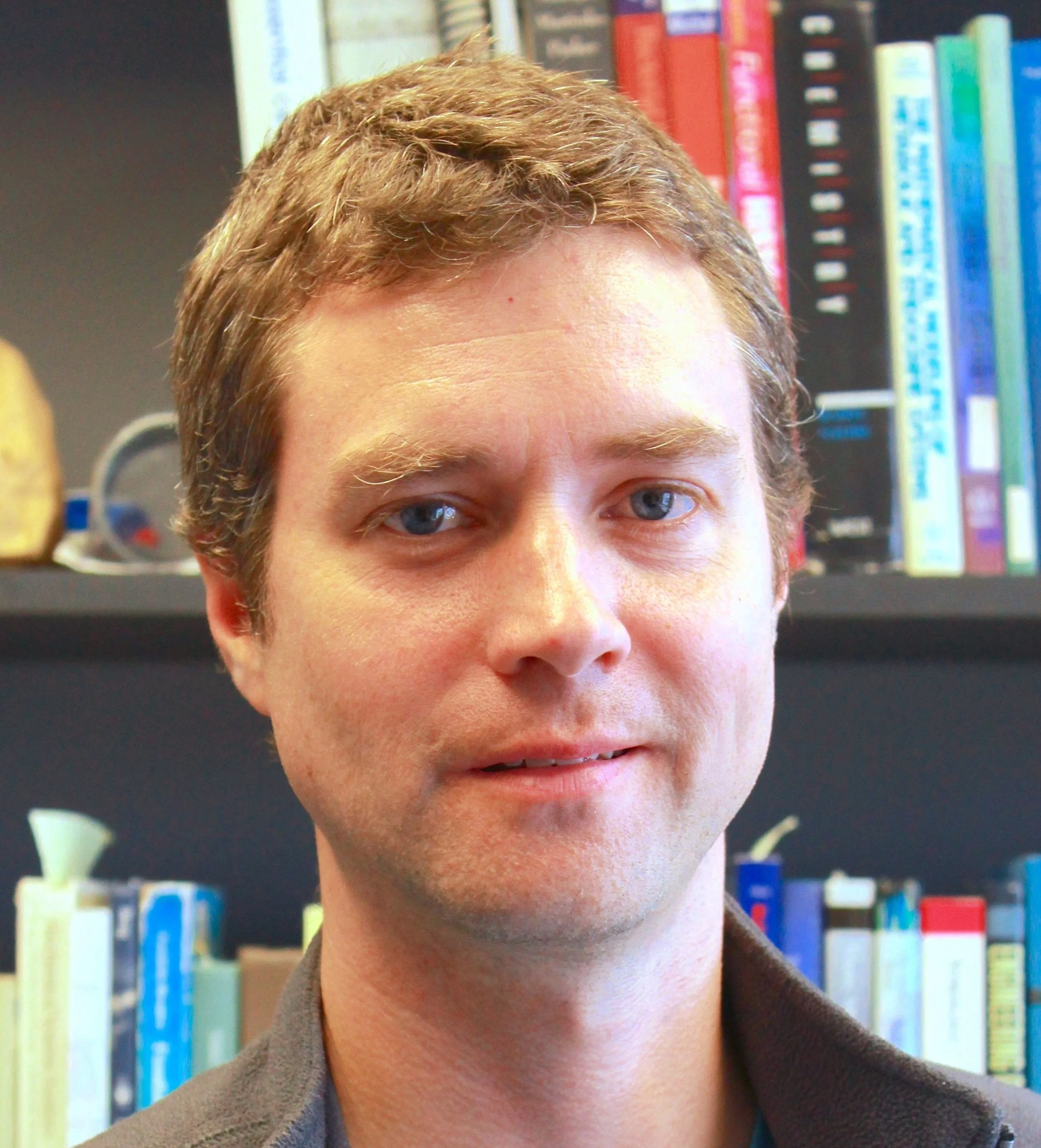
Professor, Department of Applied Mathematics, University of Waterloo
Email Address: bingalls@uwaterloo.ca
Bio: Our group uses mathematical and computational tools to construct and analyse kinetic models of biomolecular systems. Our current projects are primarily focused on model-based design of synthetic bacterial gene regulatory systems.
Website: www.math.uwaterloo.ca/~bingalls/
Twitter: @bpingalls

Dr. Mads Kaern
I believe that Synthetic Biology will continue to play a significant role in medical innovation, including engineered virus and engineered immune cells that can cure cancer.

Professor, University of Ottawa
Bio: I believe that Synthetic Biology will continue to play a significant role in medical innovation, including engineered virus and engineered immune cells that can cure cancer. I have been part of the Synthetic Biology community since the early 00' and started working in the field with Dr. James Collins on sources of "noisy" signals in gene expression and the engineering of programable cell behaviour by creating "plug-ins" for interfacing synthetic gene networks and natural signalling pathways. To facilitate medical advances, I am member of the Cancer Therapeutics Program at the Ottawa Hospital Research Institute and the Regional Genetics Program at the Children's Hospital of Eastern Ontario.
My NSERC-funded Synthetic Biology program uses an integrated genetic network engineering approach to study gene regulatory processes and develop artificial gene control systems. This program is driven by my long-term passion to understand how genomes encode "programs" that control and coordinate cellular behaviour and organismal development and fail during disease. This involves both foundational and applied research, including DNA assembly methods, artificial transcription factors, biological network design, systems modelling and simulation.
I initiated the uOttawa iGEM undergraduate training program soon after I arrived in Ottawa and have been the organizer and the supervisor of the uOttawa iGEM team. Many iGEM team members have continued as graduate students in my program subsequently moved to world-leading institutions including MIT, Cambridge, Harvard and NYU.
Website: UOttawa website

Dr. Sateesh Kagale
We are utilizing Synthetic Biology tools for improving the productivity of agricultural crops. Specifically, we apply precise gene editing tools to improve tolerance to pests, diseases and abiotic stress of economically important agricultural crops, such as wheat, canola and pulse.
Team Leader, National Research Council Canada
Bio: We are utilizing Synthetic Biology tools for improving the productivity of agricultural crops. Specifically, we apply precise gene editing tools to improve tolerance to pests, diseases and abiotic stress of economically important agricultural crops, such as wheat, canola and pulse.
Website: www.nrc.ca
Twitter: @sateeshkagale

Dr. Bogumil Karas
Research in the Karas lab is focused on developing innovative genetic tools to enable the engineering of microbes to produce medicines, DNA storage technologies, food and next-generation fuels.
Assistant Professor, Biochemistry, University of Western Ontario / CEO Designer Microbes
Email Address: bkaras@uwo.ca
Bio: Research in the Karas lab is focused on developing innovative genetic tools to enable the engineering of microbes to produce medicines, DNA storage technologies, food and next-generation fuels. We are using a multi-host system to perform in vivo gene deletions, additions and replacements. This approach was designed to take advantage of existing genetic tools developed for model organisms, including Escherichia coli and Saccharomyces cerevisiae. Currently, we are developing novel tools for eukaryotic algae: Phaeodactylum tricornutum, Thalassiosira pseudonana and soil bacterium Sinorhizobium meliloti.
Website: https://www.schulich.uwo.ca/biochem/people/bios/Karas.html
Twitter: @BogumilKaras

BioZone
BioZone aims to use Bioengineering to create a sustainable world by making industrial processes more sustainable, remediating humanity's environmental impact, and improving health outcome.

BioZone, Faculty of Applied Science and Engineering, University of Toronto
Bio: BioZone is a Centre for Applied Bioscience and Bioengineering Research at the University of Toronto’s Faculty of Applied Science and Engineering.
BioZone aims to use Bioengineering to create a sustainable world by making industrial processes more sustainable, remediating humanity's environmental impact, and improving health outcome.
For example, to help make industrial processes more environmentally friendly and reduce carbon emissions, we help companies replace petroleum feedstocks with renewable sources, including waste material from agriculture and forestry sectors, by engineering microbes and enzymes that can convert sugars or complex organics (lignin) into value-added chemicals and materials.
BioZone's synbio relevant skills include metagenomics, enzymology, functional genomics, enzyme engineering, metabolic and whole cell modeling, systems biology, computational biology, bioprocess design, techno-economic assessment, and lifecycle analysis.
Website: www.biozone.utoronto.ca
Twitter: @BioZoneUT

Dr. Radhakrishnan Mahadevan
Our group primarily works on engineering metabolism in bacteria and yeast to produce chemicals and therapeutic molecules. Through the use of computational strategies on genome scale metabolic models of these organisms, we identify genetic intervention strategies to enhance target molecule production.

Professor, Associate Chair & Graduate Studies Coordinator, University of Toronto
Email Address: krishna.mahadevan@utoronto.ca
Bio: Our group primarily works on engineering metabolism in bacteria and yeast to produce chemicals and therapeutic molecules. Through the use of computational strategies on genome scale metabolic models of these organisms, we identify genetic intervention strategies to enhance target molecule production. Synthetic biological tools help us assemble and engineer pathways in microorganisms. We use synthetic gene regulatory circuits to dynamically control metabolism in host organisms. The ability to dynamically control metabolism based on environmental inputs finds application in a variety of different areas including therapeutics and industrial biotechnology.
Website: www.lmse.utoronto.ca
Twitter: @LMSE_UofT

Dr. Scott McComb
Chimeric antigen receptor T cells (CAR-T) are an exciting new avenue to redirect immune cells to target and kill cancer. While breakthroughs in CAR-T therapy have led to life-saving treatments for patients with previously incurable leukemia, such therapies have been less successful against solid tumours.
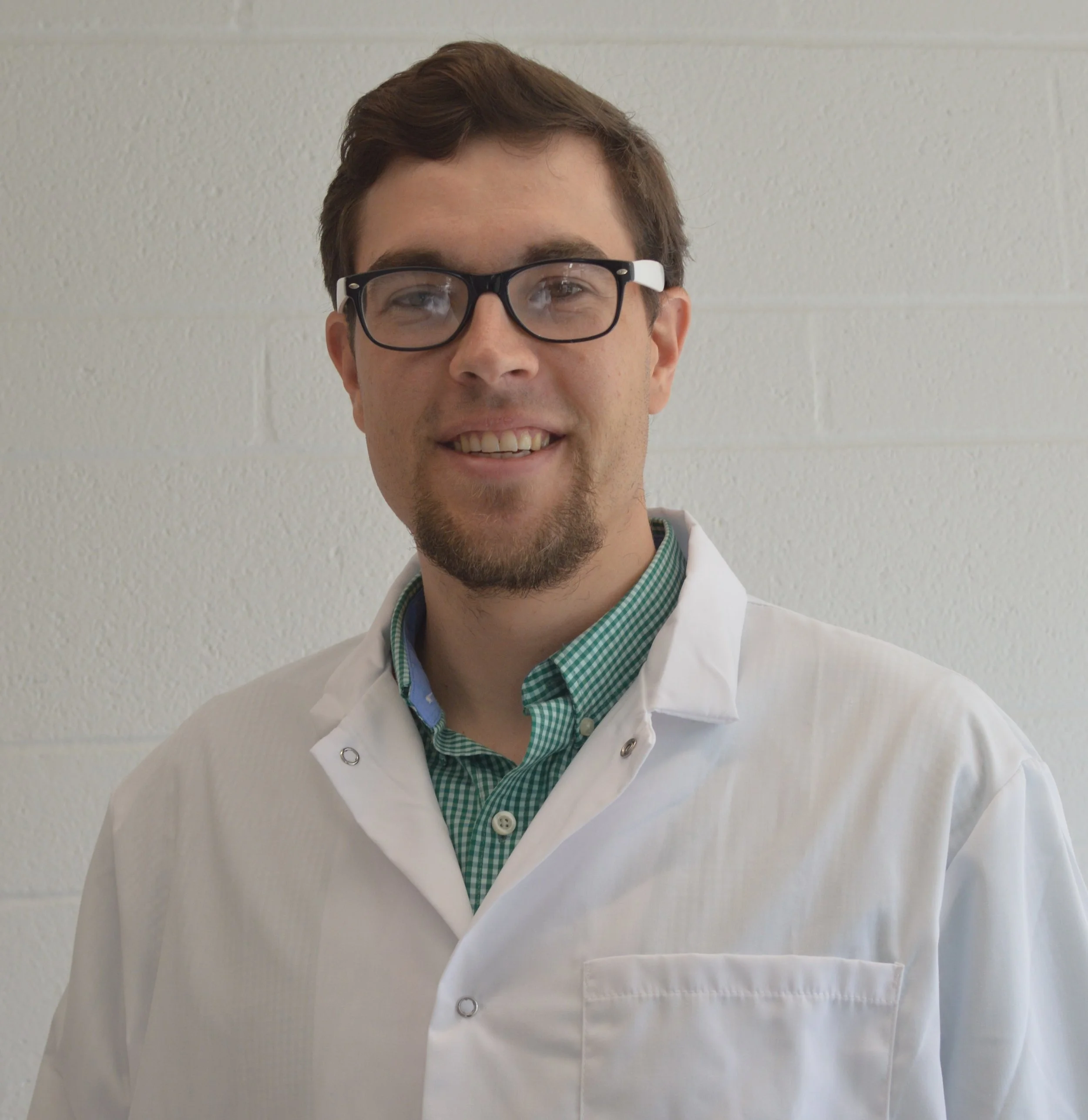
Research Officer, National Research Council of Canada; University of Ottawa
Email Address: scott.mccomb@nrc-cnrc.gc.ca
Bio: Chimeric antigen receptor T cells (CAR-T) are an exciting new avenue to redirect immune cells to target and kill cancer. While breakthroughs in CAR-T therapy have led to life-saving treatments for patients with previously incurable leukemia, such therapies have been less successful against solid tumours. Moreover, the determinants of long term cancer regression in CAR-T treated patients are not yet well understood. Using genome editing, we are dissecting the mechanisms of programmed cell death and other immune signalling pathways in T cells in order to improve their effectiveness against cancer. Our long term goal is to create super-functional gene-edited cell therapies to treat currently intractable illnesses such as cancer and autoimmunity.

Dr. David McMillen
We work on (mainly) microbial synthetic biology, investigating ways to create novel solutions to real-world problems with engineered microbes.
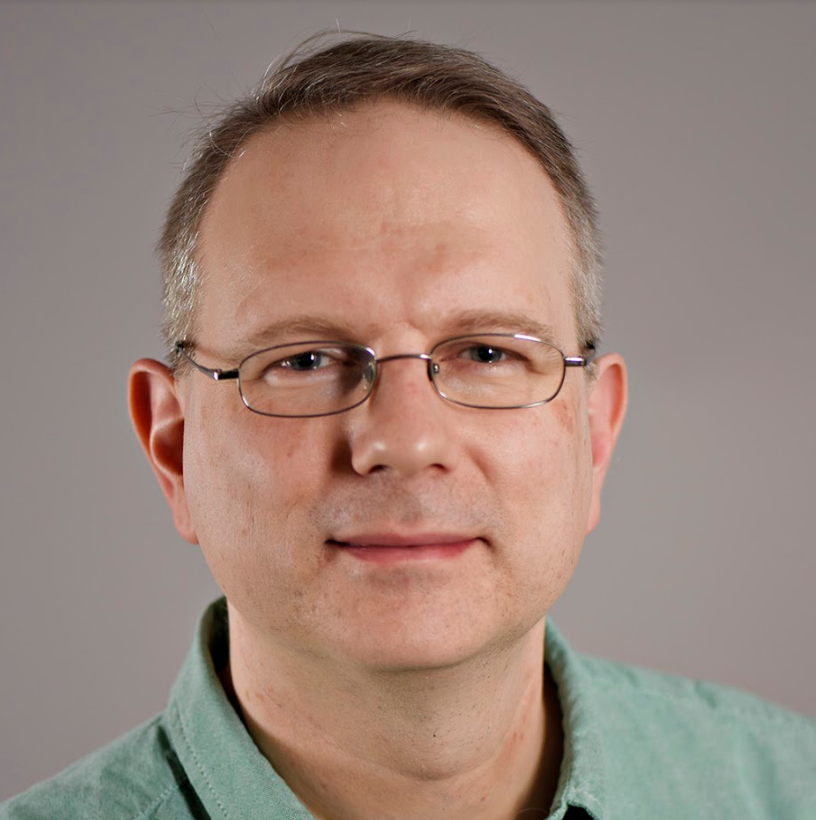
Associate Professor, University of Toronto Mississauga
Email Address: david.mcmillen@utoronto.ca
Bio: We work on (mainly) microbial synthetic biology, investigating ways to create novel solutions to real-world problems with engineered microbes. We pursue several parallel tracks: (1) Combined theoretical and experimental approaches to biological feedback and synthetic implementations of networks that maintain fixed outputs in the face of external disturbances; (2) Expanding the synthetic biology "toolkit" to include novel modes of regulation (including a recruitable T7-based activation system that provides a system to generate programmable, orthogonal sets of transcriptional activators in bacteria); and (3) the motivation for the other two tracks: application to real-world problems including human health in the developed world (working with a multi-PI team on sensing and responding to inflammatory bowel diseases using engineered microbes) and in the developing world (implementing microbe-based antibody detection in blood samples, for low-cost blood screening or diagnosis).
Website: http://www.utm.utoronto.ca/mcmillen-lab/
Twitter: @DaveMcMillen

Dr. Moira McQueen
As a bioethicist, I am interested in the science and development of synthetic biology and in ethical questions that arise from its use, as well as in its impact on health care, the workforce and the environment.
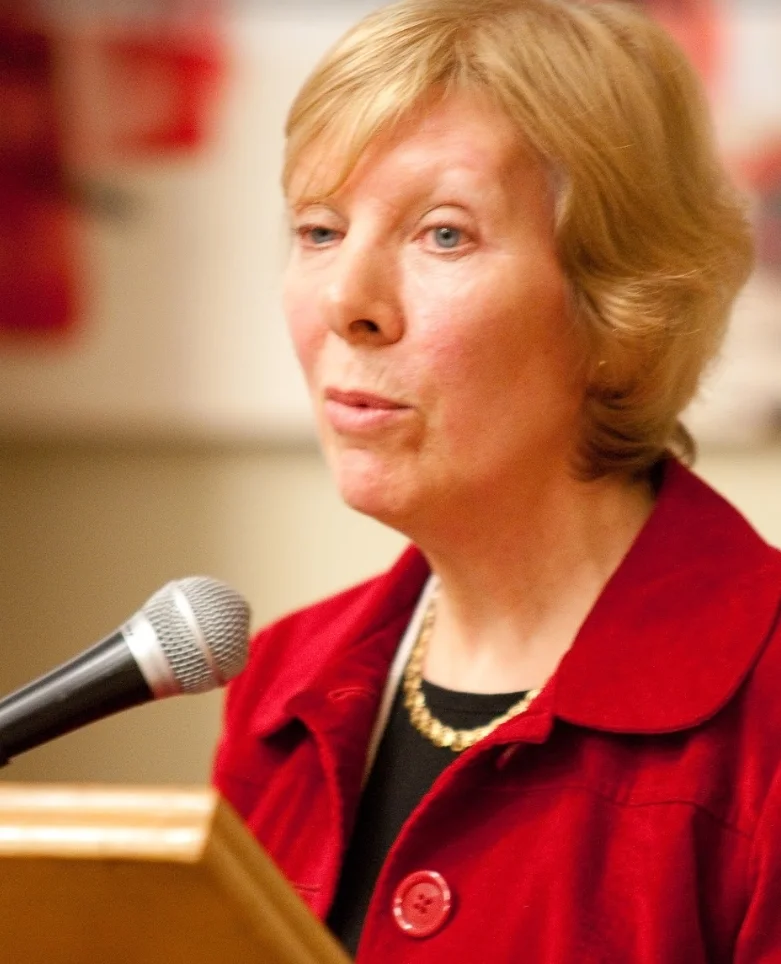
Executive Director, Canadian Catholic Bioethics Institute, University of St Michael's College, University of Toronto, (LLB, M Div, PhD)
Bio: As a bioethicist, I am interested in the science and development of synthetic biology and in ethical questions that arise from its use, as well as in its impact on health care, the workforce and the environment.
Website: www.ccbi-utoronto.ca
Twitter: @moiramcqueen

Dr. Gabriel Moreno-Hagelsieb
My work is about gene-product interactions, which can be represented as networks and modules.
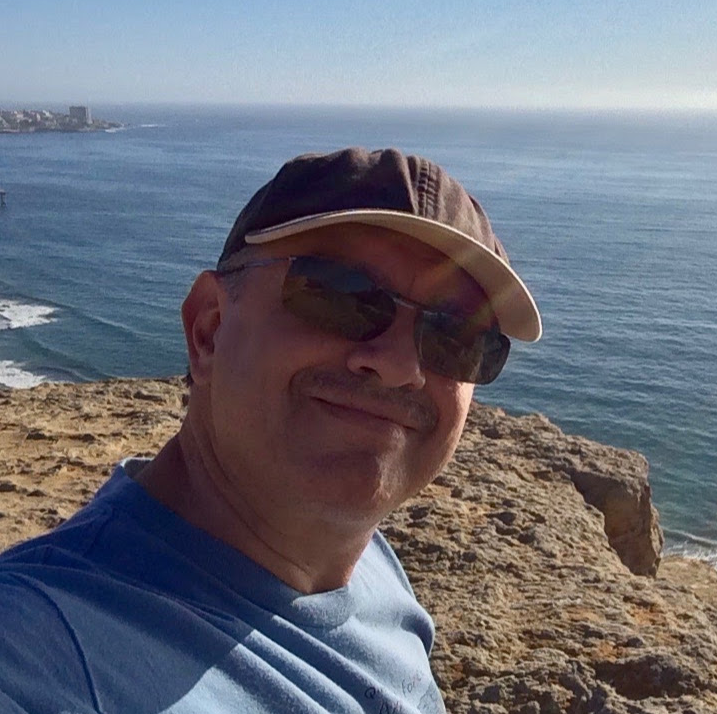
Professor, Wilfrid Laurier University
Bio: My work is about gene-product interactions, which can be represented as networks and modules. It has potential for application in synthetic biology since it can show how modules doing similar things have evolved, thus how we might be able to engineer them, avoid cross-talk, etc.
Website: https://microbiome.wordpress.com/
Twitter: @gmhentropy

Dr. Jimin Guo
We develop new methods in the domains of Genomics and Synthetic Biology, using microfluidics and computational biology.
Research Officer, National Research Council Canada
Bio: We develop new methods in the domains of Genomics and Synthetic Biology, using microfluidics and computational biology.

Dr. Rebecca Shapiro
My research group at the University of Guelph is developing new CRISPR-based platforms for functional genomic analysis in fungal pathogens.
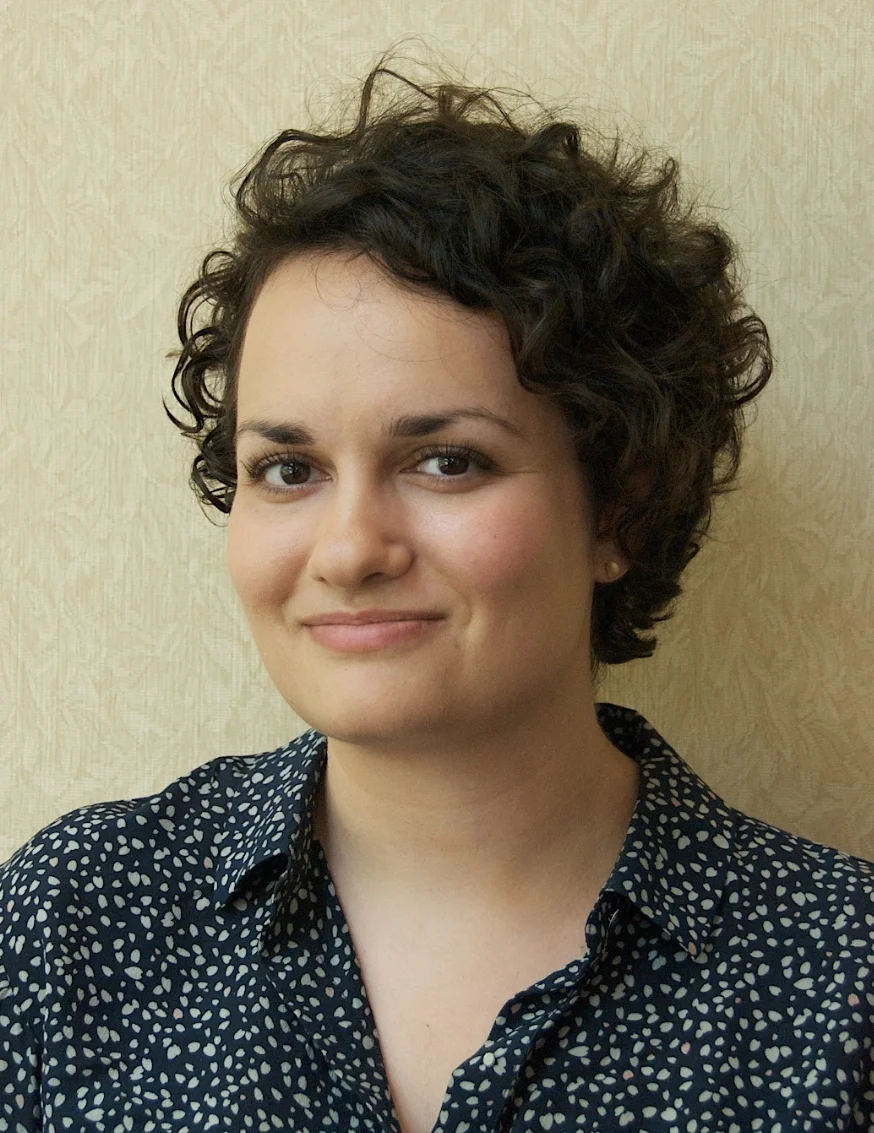
Assistant Professor, University of Guelph
Email Address: shapiror@uoguelph.ca
Bio: My research group at the University of Guelph is developing new CRISPR-based platforms for functional genomic analysis in fungal pathogens.
Website: http://www.theshapirolab.com/
Twitter: @ShapiroRebecca

Dr. Valerie Ward
We aim to engineer microalgae to produce proteins for medical and industrial uses as well as engineer metabolic pathways in microbial platforms for the production of isoprenoids.

Assistant Professor, University of Waterloo
Email Address: vward@uwaterloo.ca
Bio: We aim to engineer microalgae to produce proteins for medical and industrial uses as well as engineer metabolic pathways in microbial platforms for the production of isoprenoids.
Website: https://uwaterloo.ca/chemical-engineering/profile/vward

Dr. Andrew Woolley
Optogenetic control, photo-controlled proteins

Professor, Department of Chemistry, University of Toronto
Email Address: awoolley@chem.utoronto.ca
Bio: Optogenetic control, photo-controlled proteins
Website: http://www.chem.utoronto.ca/staff/GAW/