
Keynote Speakers
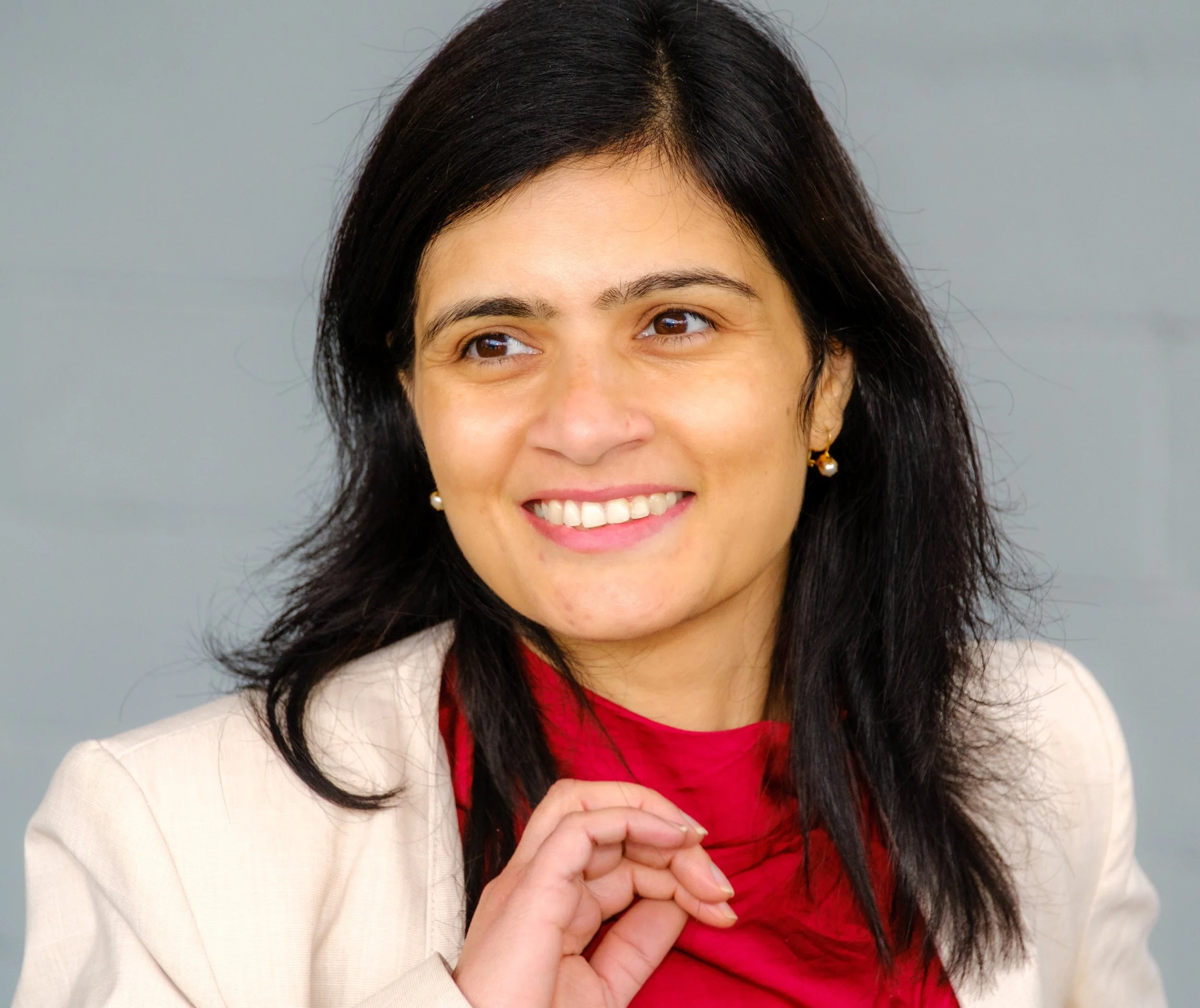
Dr. Jaya Joshi
Dr. Jaya Joshi is an Assistant Professor at University of British Columbia, where she leads the BioCycle Lab and advances synthetic biology for the circular bioeconomy. Her research integrates enzyme engineering, continuous directed evolution, and metabolic engineering to create biological systems that convert agricultural, forestry, and plastic waste into high value chemicals and advanced biomaterials. Her group engineers catalytic enzymes that improve carbon efficiency in plants and microbes, bridging protein innovation with climate focused biotechnology. Her work seeks to transform waste into resources and establish green biological factories for sustainable low carbon futures.
University of British Columbia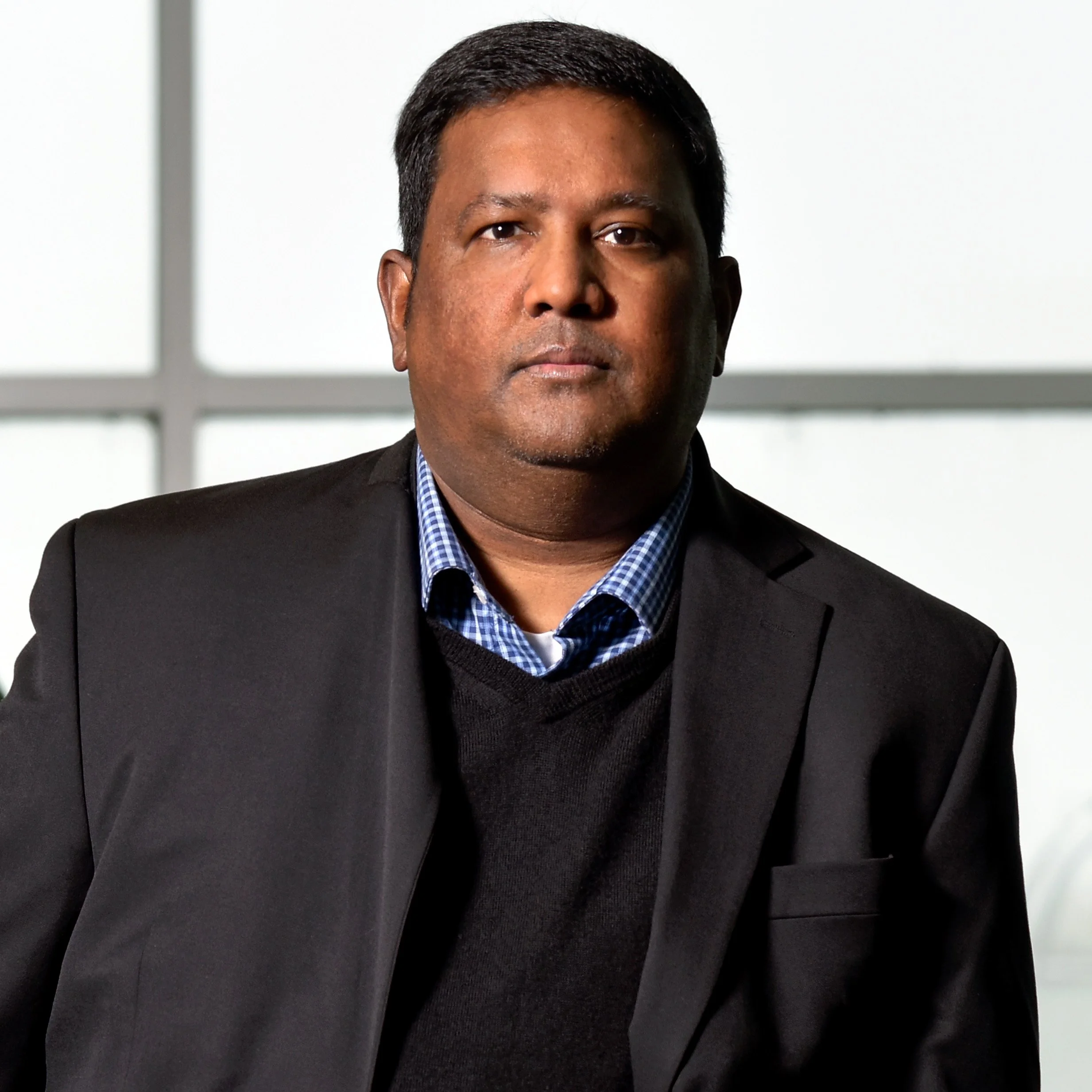
Dr. Mohan Babu
Dr. Babu is a leader in systems biology, mitochondrial biology, neuroscience, and microbiology. As Chancellor’s Research Chair in Network Biology at the University of Regina, he leads research on mapping molecular networks in human cells and model organisms to advance understanding of disease and identify therapeutic targets. He has published over 130 papers and is supported by national and international funding agencies. His honors include the SHRF Midcareer Impact, CIHR New Investigator, and the University of Regina Research Excellence awards. He holds patents, contributes to peer review and editorial activities, provides national leadership, and mentors trainees in integrative biology.
University of Regina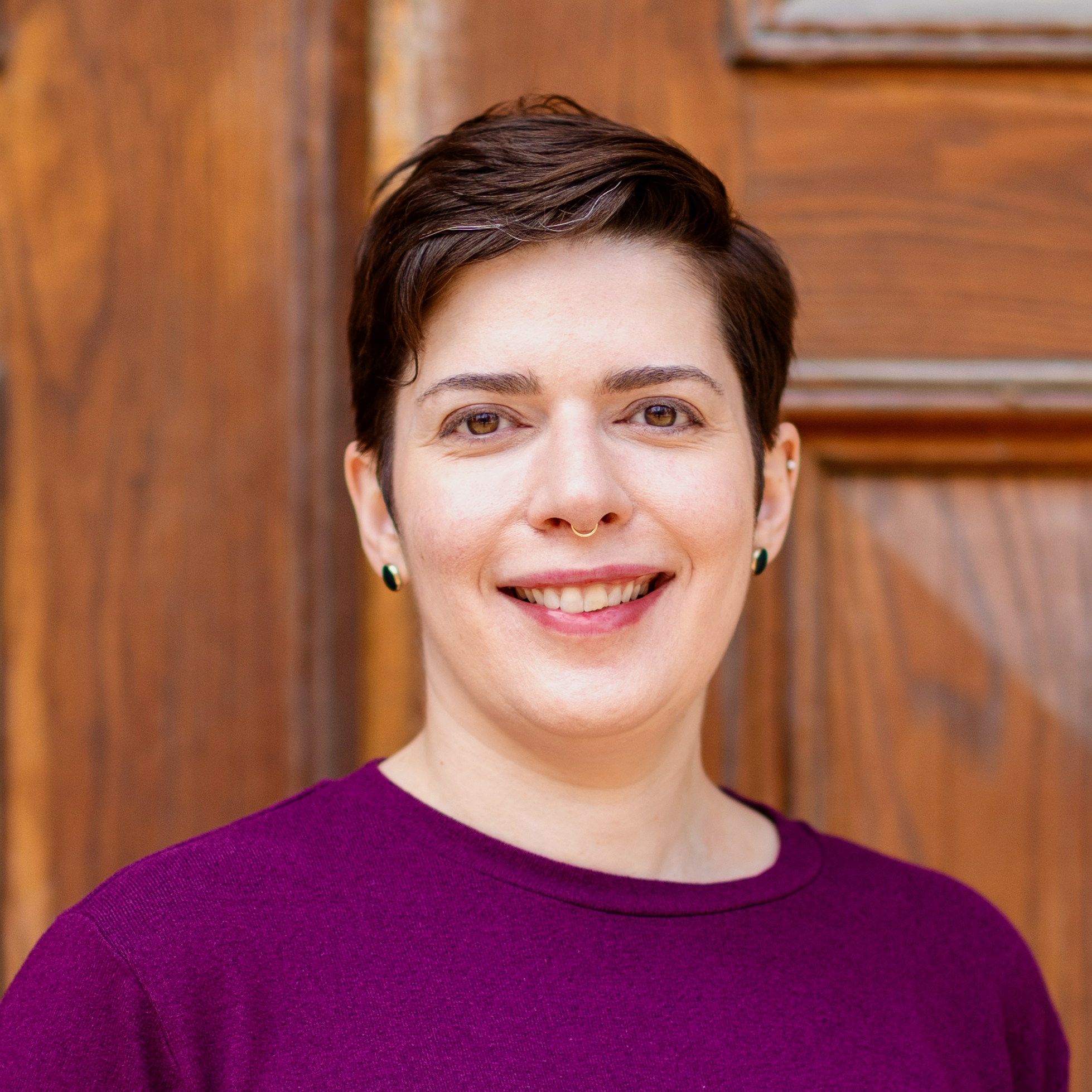
University of TorontoDr. Rachel Gregor
Dr. Rachel Gregor is an Assistant Professor in the Department of Chemical Engineering and Applied Chemistry and the BioZone Centre for Applied Bioscience and Bioengineering, at the University of Toronto. Dr. Gregor leads the MicroChemEco Lab, with the goal of understanding and engineering microbiomes through their chemistry, for biomedical, environmental, and industrial applications. Previously, Dr. Gregor was a postdoctoral fellow at the Massachusetts Institute of Technology, with fellowships from the Simons Foundation and the Center for Chemical Currencies of a Microbial Planet. She received her PhD in Chemistry from Ben-Gurion University of the Negev, Israel.
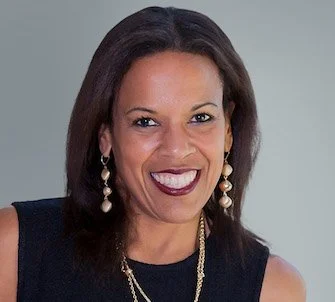
Thermo Fisher ScientificDr. Karen Nelson
Karen joined Thermo Fisher in July 2021 and was named Chief Scientific Officer.
Prior to joining the company, she spent several years with the J. Craig Venter Institute, a leading nonprofit research institute, serving as President from 2012 to 2021. A pioneer of the human microbiome field, Karen has authored or co-authored over 220 peer-reviewed publications, edited three books, and is currently Editor-in-Chief of the journal Microbial Ecology. She was the founding Editor-in-Chief of PNAS Nexus, an open-access journal from the National Academy of Sciences. She is an elected member of the National Academy of Sciences and a Fellow of the American Academy of Microbiology.
Karen received a Ph.D. in animal science and microbiology from Cornell University, a master’s degree in animal science from the University of Florida, and a bachelor’s degree in agriculture and animal science from the University of the West Indies.
Panelists
IP in Biotech
-
Megha holds a PhD in Cellular and Molecular Biology and has over seven years of experience in business development and intellectual property management. At GIFS, she leads business development initiatives for the engineering biology platform and is responsible for contract negotiation and management, industry outreach, marketing, project management, quote preparation, and supporting grant writing. Megha also leads the preparation of grant applications and investment business cases for provincial and federal funding agencies, including Prairies Economic Development Canada and Protein Industries Canada for GIFS. In her previous roles with the University of Alberta and University of Calgary technology transfer offices, she guided researchers in the commercialization of their inventions, performed patentability assessments and market landscape analysis, led the establishment of productive collaborations with multiple stakeholders, and negotiated legal and financial terms in revenue‑bearing agreements. She currently serves as a member of the working group with New Harvest on the Cellular Agriculture in the Prairies ecosystem and is a board member of the SIGMA Entrepreneurship Program for students at the University of Saskatchewan.
-
Dr. Scott Pownall earned his PhD from UBC in 1998 and completed a postdoctoral fellowship at the Amgen Research Institute in Toronto as a National Cancer Institute Post-Doctoral Fellow. He joined in 2001 the then Vancouver biotech startup enGene Inc. where rose to Director of Molecular and Cellular Biology and led research programs, managed teams, and oversaw complex preclinical studies. In 2007, he founded a bioinformatics company and subsequently collaborated with research groups across Canada, the United States, and Singapore on contract R&D initiatives. In 2019, Dr. Pownall started the development of open-access Open Yeast Platform with the creation of the original Open Yeast Collection, released in 2021, and with the more recent Yeast Protein Expression Toolkit, released in 2024, both of which are now in more than 50 countries. He continues to expand the Open Yeast Platform with the new Yarrowia Collection whose parts for engineering Yarrowia lioplytica and parts for glyco-engineering in yeast arrived in April this year. He has supported community labs, startups and academic institutions worldwide. Dr. Pownall maintains an extensive international global network through his shared interests. He has long-standing collaboration with Dr. Jenny Molloy at the University of Cambridge and is a member of the Reclone Network. Since 2022, he has served on the iGEM Engineering and Technology Committees and helped organize the first four Biosummits at MIT Media Lab.
-
Aidan did his graduate degree at Dr. Pardee's lab focusing on cell-free protein expression. During this time, Aidan got to work with a wide range of commercial cell-free systems. Not being satisfied with these systems, he is now helping the team develop the best cell-free system available on the market.
Communicating Science for Impact
-
Dr. Warren Mabee (Ph.D. 2001, Toronto) is Professor of Geography and Planning at Queen's University, with cross-appointment to the School of Policy Studies and the School of Environmental Studies. He has held two research chairs including the Stauffer-Dunning Chair in Public Policy and the Canada Research Chair in Renewable Energy Development and Implementation. He is the Director of the Queen’s Institute for Energy and Environmental Policy. His international research programme focuses on the interface between policy and technology in the area of renewable energy and fuels, addressing issues that bridge the gap between researchers and decision-makers using tools such as life cycle assessment, geographic information systems and agent-based logistical models. His past work experiences include stints at the University of British Columbia and the University of Toronto, as well as the Food and Agriculture Organization of the United Nations and the International Energy Agency.
-
Dr. M. Douglas Baumann is Chief Technology Officer at Vive Crop Protection, where he leads R&D, regulatory, and manufacturing of nanotechnology-enabled crop protection. Vive is one of North America's fastest growing companies, one of Canada's fastest growing clean tech companies and one of Canada's top employers. Doug joined Vive in 2022 as Vice-President, Product Development following a decade at Syngenta leading multidisciplinary teams across formulation, field development, and technical services. His broader research career spans agriculture, polymer science, biomedical engineering, and solid-state physics. Doug is a chemist, engineer, and recovering pilot who has been “living the science life” since 1999.
-
Polina Martins is the Senior Director, Communications, Public Affairs & People Strategy at Ontario Genomics, where she leads an integrated portfolio spanning strategic communications, government engagement, organizational culture and people development. Since joining Ontario Genomics in 2019, Polina has driven the evolution of the organization’s public voice and sector influence by advancing genomics-based innovation through compelling storytelling and multi-ministry advocacy across government.
Prior to joining Ontario Genomics, Polina served in Senior communications and operations roles to multiple Ontario Government Ministers across portfolios, including Economic Development and Growth, Health and Long-Term Care, and Indigenous Relations and Reconciliation. With extensive experience across communications, government relations, public affairs, and high-profile event strategy, she brings a deep understanding of how to translate complex science and policy issues into compelling narratives that mobilize diverse stakeholders.
Polina holds a Master of Arts degree from the Munk School of Global Affairs & Public Policy and a Bachelor of Arts in Employment Relations, both from the University of Toronto. -
Dave Conley is Senior Consultant and Founding Partner of the Aquaculture Communications Group (ACG), created in 2003. A native of Montreal, his career in aquaculture grew out of his interests and training in agriculture, renewable resources development, and parasitology. He has over 50 years of diverse practical experience in food and fibre production, research, journalism, public policy development, public education, and communications.
From 1999 to 2004, Dave served as Communications and Policy Advisor to Canada’s first and only Commissioner for Aquaculture Development at Fisheries and Oceans Canada and was part of the team that produced two strategic policy documents for the Minister of Fisheries and Oceans – Achieving the Vision, 2003, and Recommendations for Change, 2004.
Since 2010, Dave has served on the Board of Directors of Aquaculture without Frontiers (AwF), an independent non-profit organisation that promotes and supports responsible and sustainable aquaculture in the alleviation of poverty in developing countries.
In July 2013, Dave became Director, Corporate Communications at AquaBounty Technologies. AquaBounty, an aquaculture biotech firm, developed the world’s first bioengineered food animal, an Atlantic salmon approved for consumption in the U.S., Canada, and Brazil. He retired from AquaBounty at the end of 2023.
Dave holds an M.Sc. in Parasitology from the Institute of Parasitology, McGill University, Montreal, Canada, and a B.Sc. (Agr.), Renewable Resources Development, from the Faculty of Agricultural and Environmental Sciences, McGill University. He also holds a Diploma in Agriculture, Farm Business Management, from Kemptville College, University of Guelph.
His specialty is networking, to bring ideas and people together to create new and innovative business opportunities.