

Dr. Marc Aucoin
We aim to characterize viral promoters to control the production of proteins in insect cells with the goal of creating a manufacturing assembly line for complex biologics.

Professor, University of Waterloo
Email address: maucoin@uwaterloo.ca
Bio: We aim to characterize viral promoters to control the production of proteins in insect cells with the goal of creating a manufacturing assembly line for complex biologics.
Website: https://uwaterloo.ca/applied-virus-complex-biologics-bioprocessing-research-lab/
Twitter: @profaucoin; @AppliedVirus

Dr. Christopher Brett
Using humanized S. cerevisiae (baker's yeast) as a platform to develop new medicines.

Associate Professor, Concordia University
Email Address: christopher.brett@concordia.ca
Bio: Using humanized S. cerevisiae (baker's yeast) as a platform to develop new medicines.
Website: https://christoperbrett.wixsite.com/brettlab
Twitter: @drbrettphd

Dr. Miroslava Cuperlovic-Culf
Metabolomics and computational analysis of cells in cultures, bioreactors and biological systems.
Research Officer and Team Leader, National Research Counci
Email Address: cuperlovim@nrc.ca
Bio: Metabolomics and computational analysis of cells in cultures, bioreactors and biological systems.
Website: https://www.nrc-cnrc.gc.ca/eng/

Dr. Mads Kaern
I believe that Synthetic Biology will continue to play a significant role in medical innovation, including engineered virus and engineered immune cells that can cure cancer.

Professor, University of Ottawa
Bio: I believe that Synthetic Biology will continue to play a significant role in medical innovation, including engineered virus and engineered immune cells that can cure cancer. I have been part of the Synthetic Biology community since the early 00' and started working in the field with Dr. James Collins on sources of "noisy" signals in gene expression and the engineering of programable cell behaviour by creating "plug-ins" for interfacing synthetic gene networks and natural signalling pathways. To facilitate medical advances, I am member of the Cancer Therapeutics Program at the Ottawa Hospital Research Institute and the Regional Genetics Program at the Children's Hospital of Eastern Ontario.
My NSERC-funded Synthetic Biology program uses an integrated genetic network engineering approach to study gene regulatory processes and develop artificial gene control systems. This program is driven by my long-term passion to understand how genomes encode "programs" that control and coordinate cellular behaviour and organismal development and fail during disease. This involves both foundational and applied research, including DNA assembly methods, artificial transcription factors, biological network design, systems modelling and simulation.
I initiated the uOttawa iGEM undergraduate training program soon after I arrived in Ottawa and have been the organizer and the supervisor of the uOttawa iGEM team. Many iGEM team members have continued as graduate students in my program subsequently moved to world-leading institutions including MIT, Cambridge, Harvard and NYU.
Website: UOttawa website

Dr. Elena Kuzmin
We investigate how phenotypes and disease states emerge from the interplay of genetic determinants in yeast and human cells.
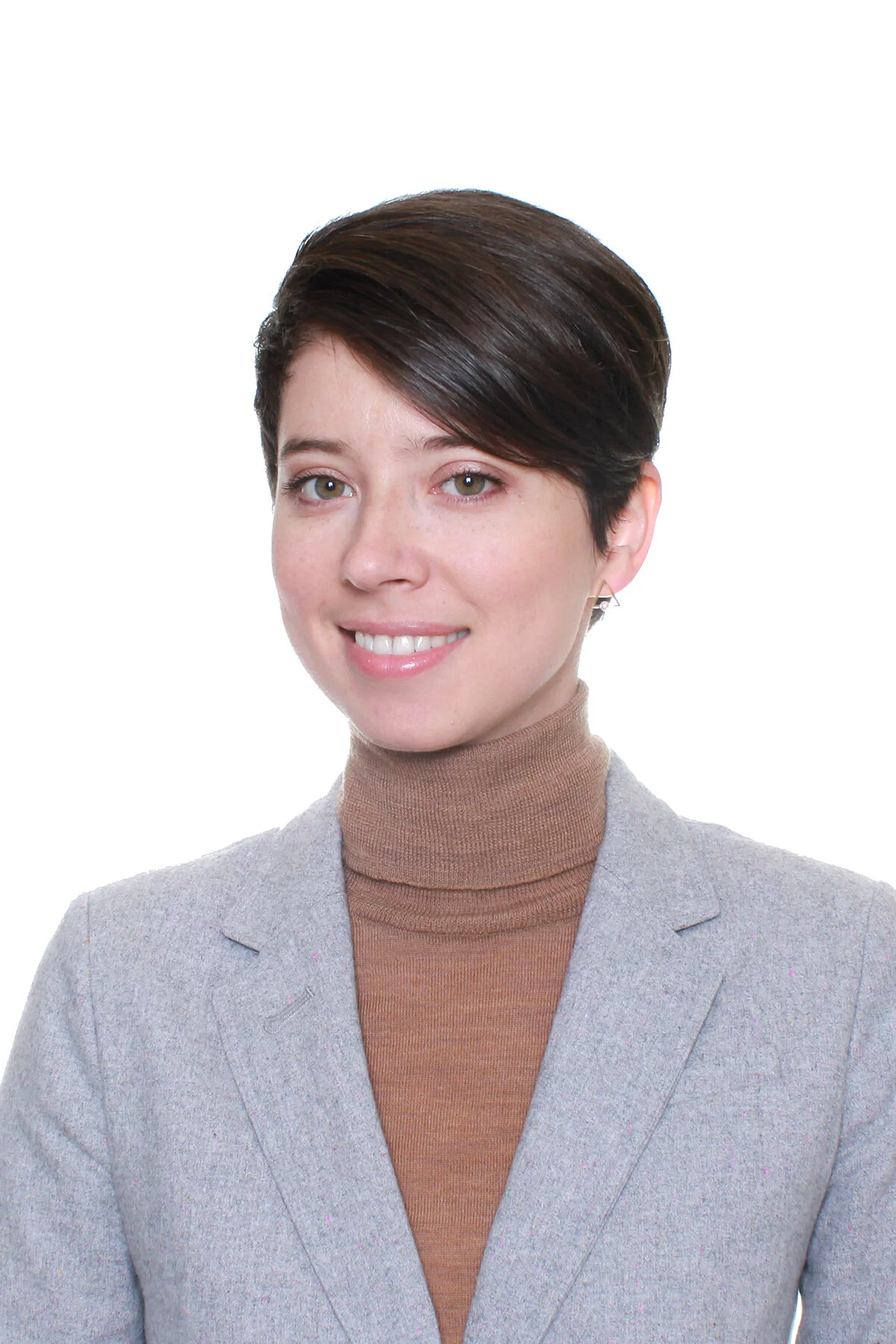
Assistant Professor, Centre for Applied Synthetic Biology, Department of Biology, Concordia University
Bio: We are a dynamic research group at the Centre for Applied Synthetic Biology, Concordia University. We investigate how phenotypes and disease states emerge from the interplay of genetic determinants in yeast and human cells. Using a combination of systematic genetic screening (trigenic interaction screens, high-content screens, overexpression screens and CRISPR screens), genome sequencing (bulk and single cell DNA and RNA sequencing), genome engineering and synthetic biology approaches, we aim to enhance our understanding of the genotype-to-phenotype relationship and genome evolution. We pursue several research themes focusing on mapping complex genetic interaction networks, from genetic network rewiring between distantly related yeast species, conditional functional redundancy and divergence of duplicated genes and complex genetic interaction network of large copy number variants in cancer.
Website: https://kuzmin-lab.github.io/
Twitter: @Elenak35

Dr. Bogumil Karas
Research in the Karas lab is focused on developing innovative genetic tools to enable the engineering of microbes to produce medicines, DNA storage technologies, food and next-generation fuels.
Assistant Professor, Biochemistry, University of Western Ontario / CEO Designer Microbes
Email Address: bkaras@uwo.ca
Bio: Research in the Karas lab is focused on developing innovative genetic tools to enable the engineering of microbes to produce medicines, DNA storage technologies, food and next-generation fuels. We are using a multi-host system to perform in vivo gene deletions, additions and replacements. This approach was designed to take advantage of existing genetic tools developed for model organisms, including Escherichia coli and Saccharomyces cerevisiae. Currently, we are developing novel tools for eukaryotic algae: Phaeodactylum tricornutum, Thalassiosira pseudonana and soil bacterium Sinorhizobium meliloti.
Website: https://www.schulich.uwo.ca/biochem/people/bios/Karas.html
Twitter: @BogumilKaras

Dr. Angeliki Pantazi/Southern Alberta Genome Sciences Centre
Intersection of genome sequencing/bioinformatics, interpretation and editing.

Scientific Officer - Southern Alberta Genome Sciences Centre / Primary Investigator - Lethbridge iGEM Team
Email Address: angeliki.pantazi@uleth.ca
Bio: Intersection of genome sequencing/bioinformatics, interpretation and editing.
Website: www.sagsc.org
Twitter: @apantaz

BioZone
BioZone aims to use Bioengineering to create a sustainable world by making industrial processes more sustainable, remediating humanity's environmental impact, and improving health outcome.

BioZone, Faculty of Applied Science and Engineering, University of Toronto
Bio: BioZone is a Centre for Applied Bioscience and Bioengineering Research at the University of Toronto’s Faculty of Applied Science and Engineering.
BioZone aims to use Bioengineering to create a sustainable world by making industrial processes more sustainable, remediating humanity's environmental impact, and improving health outcome.
For example, to help make industrial processes more environmentally friendly and reduce carbon emissions, we help companies replace petroleum feedstocks with renewable sources, including waste material from agriculture and forestry sectors, by engineering microbes and enzymes that can convert sugars or complex organics (lignin) into value-added chemicals and materials.
BioZone's synbio relevant skills include metagenomics, enzymology, functional genomics, enzyme engineering, metabolic and whole cell modeling, systems biology, computational biology, bioprocess design, techno-economic assessment, and lifecycle analysis.
Website: www.biozone.utoronto.ca
Twitter: @BioZoneUT

Dr. Radhakrishnan Mahadevan
Our group primarily works on engineering metabolism in bacteria and yeast to produce chemicals and therapeutic molecules. Through the use of computational strategies on genome scale metabolic models of these organisms, we identify genetic intervention strategies to enhance target molecule production.

Professor, Associate Chair & Graduate Studies Coordinator, University of Toronto
Email Address: krishna.mahadevan@utoronto.ca
Bio: Our group primarily works on engineering metabolism in bacteria and yeast to produce chemicals and therapeutic molecules. Through the use of computational strategies on genome scale metabolic models of these organisms, we identify genetic intervention strategies to enhance target molecule production. Synthetic biological tools help us assemble and engineer pathways in microorganisms. We use synthetic gene regulatory circuits to dynamically control metabolism in host organisms. The ability to dynamically control metabolism based on environmental inputs finds application in a variety of different areas including therapeutics and industrial biotechnology.
Website: www.lmse.utoronto.ca
Twitter: @LMSE_UofT

Dr. Scott McComb
Chimeric antigen receptor T cells (CAR-T) are an exciting new avenue to redirect immune cells to target and kill cancer. While breakthroughs in CAR-T therapy have led to life-saving treatments for patients with previously incurable leukemia, such therapies have been less successful against solid tumours.
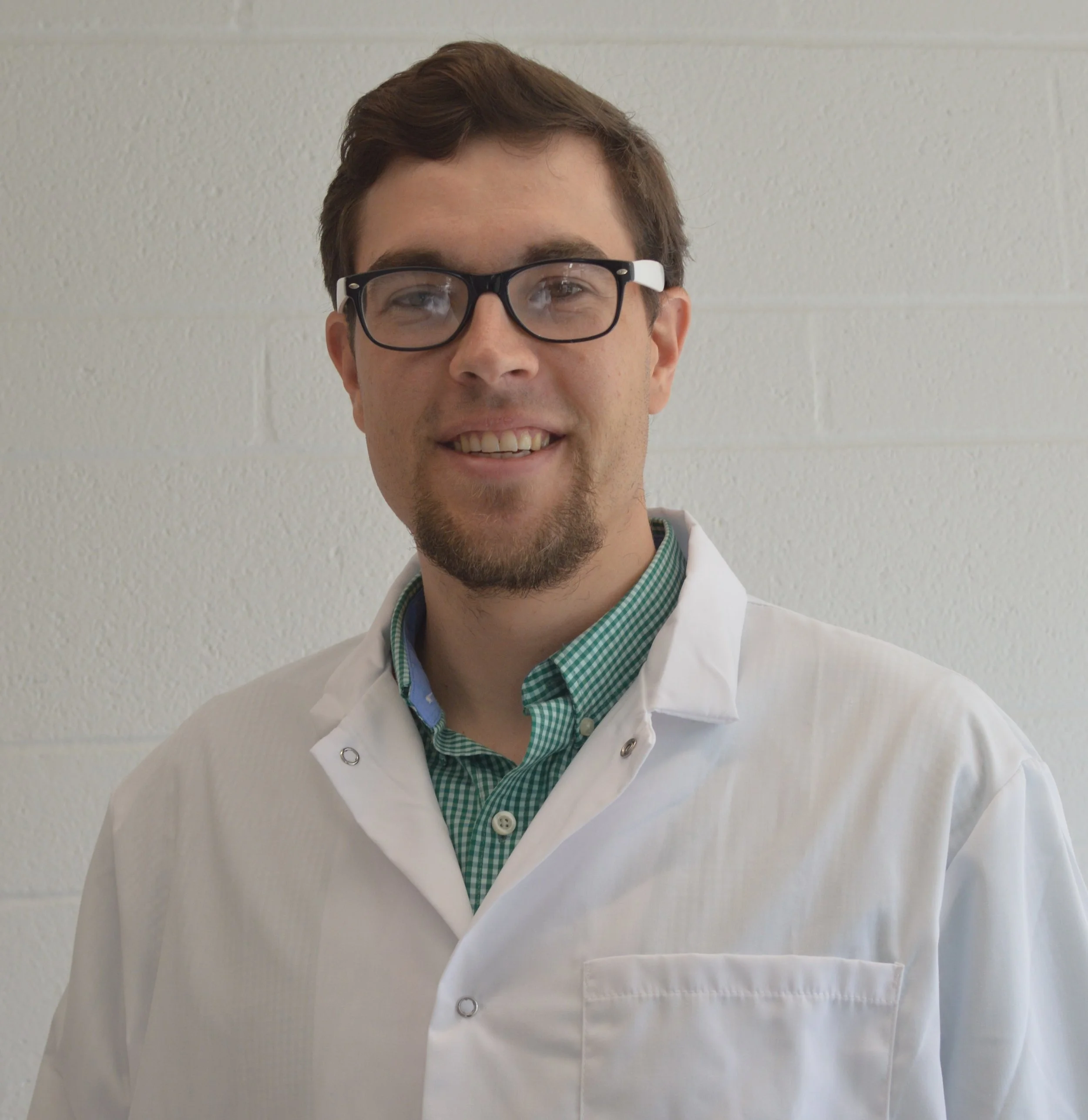
Research Officer, National Research Council of Canada; University of Ottawa
Email Address: scott.mccomb@nrc-cnrc.gc.ca
Bio: Chimeric antigen receptor T cells (CAR-T) are an exciting new avenue to redirect immune cells to target and kill cancer. While breakthroughs in CAR-T therapy have led to life-saving treatments for patients with previously incurable leukemia, such therapies have been less successful against solid tumours. Moreover, the determinants of long term cancer regression in CAR-T treated patients are not yet well understood. Using genome editing, we are dissecting the mechanisms of programmed cell death and other immune signalling pathways in T cells in order to improve their effectiveness against cancer. Our long term goal is to create super-functional gene-edited cell therapies to treat currently intractable illnesses such as cancer and autoimmunity.

Dr. Moira McQueen
As a bioethicist, I am interested in the science and development of synthetic biology and in ethical questions that arise from its use, as well as in its impact on health care, the workforce and the environment.
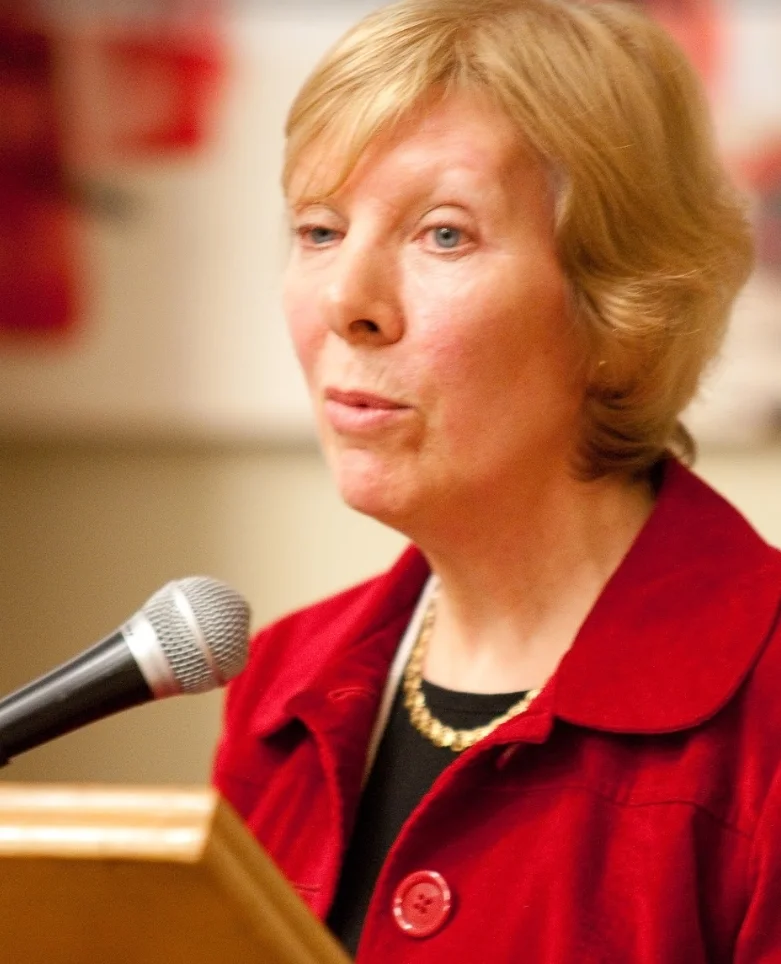
Executive Director, Canadian Catholic Bioethics Institute, University of St Michael's College, University of Toronto, (LLB, M Div, PhD)
Bio: As a bioethicist, I am interested in the science and development of synthetic biology and in ethical questions that arise from its use, as well as in its impact on health care, the workforce and the environment.
Website: www.ccbi-utoronto.ca
Twitter: @moiramcqueen

Dr. Sebastien Rodrigue
My laboratory is mainly interested in microbial systems and synthetic biology. We use and develop cutting-edge approaches to understand and engineer bacterial cells.
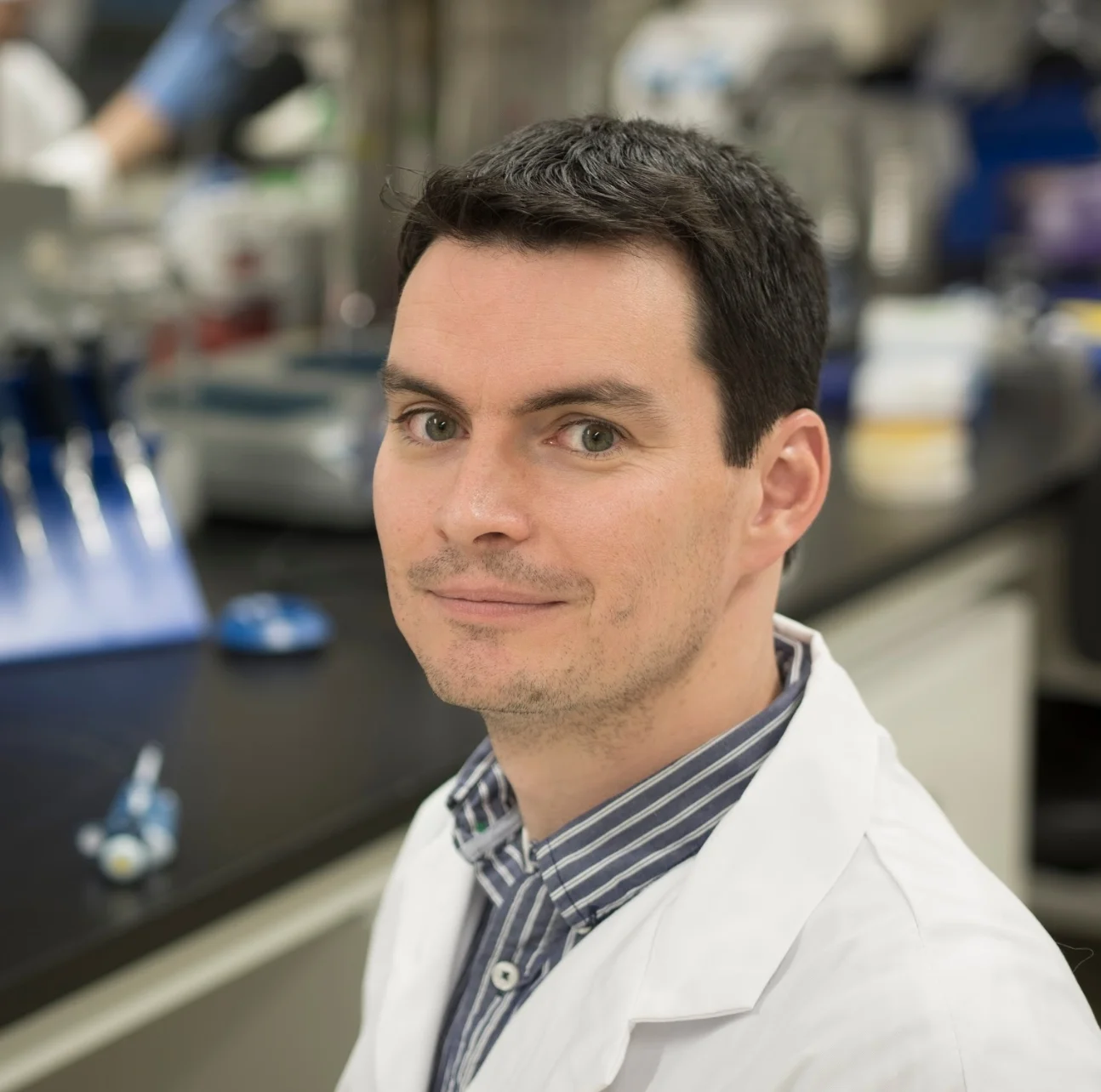
Professor, Université de Sherbrooke
Email Address: sebastien.rodrigue@usherbrooke.ca
Bio: My laboratory is mainly interested in microbial systems and synthetic biology. We use and develop cutting-edge approaches to understand and engineer bacterial cells. We use two model organisms: the near-minimal Mesoplasma florum, and the laboratory workhorse Escherichia coli. Our goal is not only to advance fundamental knowledge but also to propose innovative solutions to address the major challenges of this century.
Website: http://lab-rodrigue.recherche.usherbrooke.ca
Twitter: @RodrigueLab

Dr. Ahmad Saleh
Synthetic biology strategies for the biosynthesis of fine chemicals, especially lipid-based drugs and biofuels
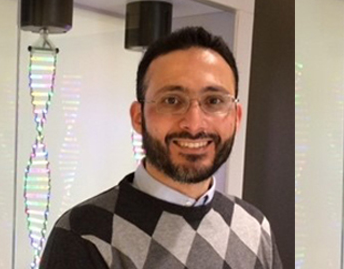
Assistant Professor, Université Laval
Email Address: ahmad.saleh@bcm.ulaval.ca
Bio: Our research projects aim at developing synthetic biology strategies for the biosynthesis of fine chemicals, especially lipid-based drugs and biofuels, to render them accessible for human consumption. In addition, we work on the discovery/invention of new fine chemicals that satisfy emerging human needs in health, energy and bioremediation fields. Our research is conducted using synthetic biology (SB) approaches in microbial hosts as platforms, while aiming at a sustainable production of safe and ecological fine chemicals.
Website: http://abdel-mawgoud.com/

Dr. Rebecca Shapiro
My research group at the University of Guelph is developing new CRISPR-based platforms for functional genomic analysis in fungal pathogens.
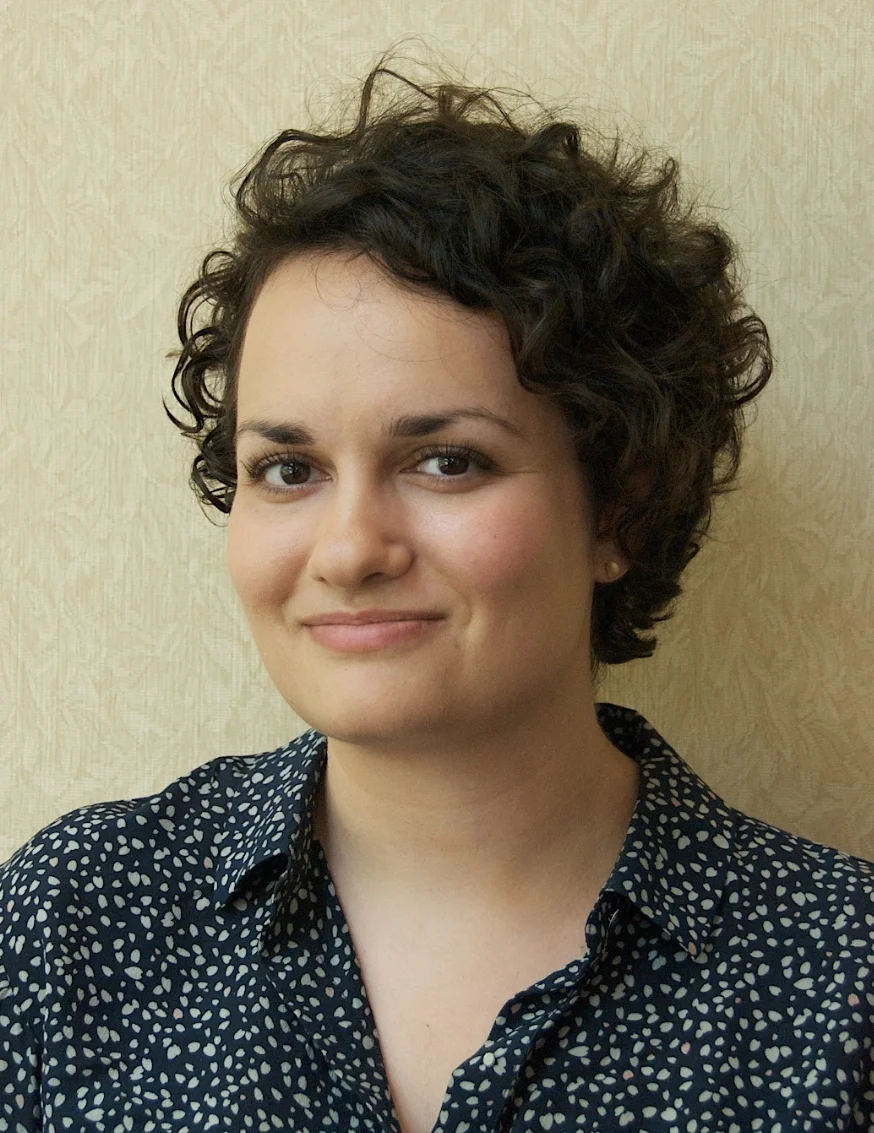
Assistant Professor, University of Guelph
Email Address: shapiror@uoguelph.ca
Bio: My research group at the University of Guelph is developing new CRISPR-based platforms for functional genomic analysis in fungal pathogens.
Website: http://www.theshapirolab.com/
Twitter: @ShapiroRebecca

Dr. Valerie Ward
We aim to engineer microalgae to produce proteins for medical and industrial uses as well as engineer metabolic pathways in microbial platforms for the production of isoprenoids.

Assistant Professor, University of Waterloo
Email Address: vward@uwaterloo.ca
Bio: We aim to engineer microalgae to produce proteins for medical and industrial uses as well as engineer metabolic pathways in microbial platforms for the production of isoprenoids.
Website: https://uwaterloo.ca/chemical-engineering/profile/vward

Dr. Vikramaditya Yadav
The principal theme of Prof. Yadav’s research is the utilization of metabolic & enzyme engineering to investigate and customize novel biosynthetic enzymes that can convert biomass-derived feedstocks into value-added chemicals.

Associate Professor of Chemical, Biological & Biomedical Engineering & Program Director of Sustainable Process Engineering, University of British Columbia
Email Address: vikramaditya.yadav@ubc.ca
Bio: Vikramaditya G. Yadav is an Associate Professor in the Department of Chemical & Biological Engineering and the School of Biomedical Engineering and Director of the Master of Engineering Leadership in Sustainable Process Engineering at the University of British Columbia (UBC). Prof. Yadav leads one of Canada’s foremost research groups on synthetic biology and industrial biotechnology. The principal theme of Prof. Yadav’s research is the utilization of metabolic & enzyme engineering to investigate and customize novel biosynthetic enzymes that can convert biomass-derived feedstocks into value-added chemicals. His group also extends the principles of metabolic engineering to the design and development of unique bioremediation strategies to rehabilitate the water quality in and around industrial zones and develop new mining biotechnologies. In addition to green engineering, his research group also pursues medical biotechnology research, wherein they primarily focus on assay development, biosynthetic engineering, and pharmaceutical product development. Prof. Yadav’s research program is distinguished by its impact and strong emphasis on technology translation. Prof. Yadav has successfully raised over $5 million in research funding and his group collaborates with numerous industry partners from a range of sectors. He is also the Chair of the Biotechnology Division of the Chemical Institute of Canada and an Associate Editor of the Canadian Journal of Chemical Engineering. He was previously an Associate Scientific Advisor for Science Translational Medicine. He also founded Metabolik Technologies Inc. and was its Chief Technology Officer until it was recently acquired by Allonnia, a Bill Gates-backed environmental biotechnology company. Metabolik is widely regarded as a Canadian success story and was developing a first-of-its-kind bioremediation platform for decontaminating oil sands process-affected water. He is also the Chief Technology Officer and Chairman of ArqMetal Inc., which is developing biotechnological solutions for the mining industry. He also serves on the boards of InMed Pharmaceuticals and Reazent.
Website: www.biofoundry.ca
Twitter: @biofoundry

Dr. Peter Zandstra
Research in the Zandstra Laboratory is focused on the generation of functional tissue from somatic and pluripotent stem cells. Our quantitative, technology-driven approach strives to gain new insights into fundamental mechanisms that control stem cell fate and to develop robust technologies for the propagation of stem cells and their derivatives.

Professor & Director, Michael Smith Laboratories, University of British Columbia / Professor, University of Toronto
Email Address: peter.zandstra@ubc.ca
Bio: Research in the Zandstra Laboratory is focused on the generation of functional tissue from somatic and pluripotent stem cells. Our quantitative, technology-driven approach strives to gain new insights into fundamental mechanisms that control stem cell fate and to develop robust technologies for the propagation of stem cells and their derivatives. We apply synthetic biology to understand and control cell fate decisions by manipulating the stem cells themselves (genome editing, gene circuit engineering) and their prospective niche (synthetic biomaterials, macro- and micro reactor technologies).
Website: http://stemcell.ibme.utoronto.ca/
Twitter: @PZandstra

Dr. Wei Zhang
My lab will open in July 2018 at the Department of Molecular and Cellular Biology, University of Guelph. We are creating synthetic proteins using bimolecular engineering approaches to accelerate understanding of biology and development of novel therapeutics.
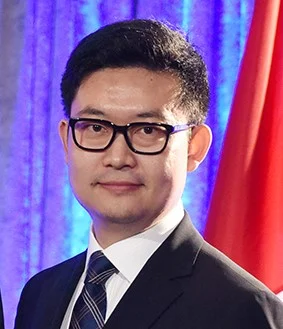
Assistant Professor, University of Guelph
Email Address: weizhang8182@gmail.com
Bio: My lab opened in July 2018 at the Department of Molecular and Cellular Biology, University of Guelph. We are creating synthetic proteins using biomolecular engineering approaches to accelerate understanding of biology and development of novel therapeutics.
Website: www.thezhanglab.com
Twitter: @WeiZhangTO