

Dr. Marc Aucoin
We aim to characterize viral promoters to control the production of proteins in insect cells with the goal of creating a manufacturing assembly line for complex biologics.

Professor, University of Waterloo
Email address: maucoin@uwaterloo.ca
Bio: We aim to characterize viral promoters to control the production of proteins in insect cells with the goal of creating a manufacturing assembly line for complex biologics.
Website: https://uwaterloo.ca/applied-virus-complex-biologics-bioprocessing-research-lab/
Twitter: @profaucoin; @AppliedVirus

Dr. Alex N. Nguyen Ba
We take advantage of latest synthetic biology approaches to increase the scale or resolution at which we can interrogate the systems biology of the cell.

Assistant Professor of Cell and Systems Biology, University of Toronto
Email address: alex.nguyenba@utoronto.ca
Bio: We take advantage of latest synthetic biology approaches to increase the scale or resolution at which we can interrogate the systems biology of the cell, or to observe the evolutionary process of cell populations under adaptation.
Website: https://annb-lab.github.io/
Twitter: @alex_nguyen_ba

Dr. Miroslava Cuperlovic-Culf
Metabolomics and computational analysis of cells in cultures, bioreactors and biological systems.
Research Officer and Team Leader, National Research Counci
Email Address: cuperlovim@nrc.ca
Bio: Metabolomics and computational analysis of cells in cultures, bioreactors and biological systems.
Website: https://www.nrc-cnrc.gc.ca/eng/

Dr. Mads Kaern
I believe that Synthetic Biology will continue to play a significant role in medical innovation, including engineered virus and engineered immune cells that can cure cancer.

Professor, University of Ottawa
Bio: I believe that Synthetic Biology will continue to play a significant role in medical innovation, including engineered virus and engineered immune cells that can cure cancer. I have been part of the Synthetic Biology community since the early 00' and started working in the field with Dr. James Collins on sources of "noisy" signals in gene expression and the engineering of programable cell behaviour by creating "plug-ins" for interfacing synthetic gene networks and natural signalling pathways. To facilitate medical advances, I am member of the Cancer Therapeutics Program at the Ottawa Hospital Research Institute and the Regional Genetics Program at the Children's Hospital of Eastern Ontario.
My NSERC-funded Synthetic Biology program uses an integrated genetic network engineering approach to study gene regulatory processes and develop artificial gene control systems. This program is driven by my long-term passion to understand how genomes encode "programs" that control and coordinate cellular behaviour and organismal development and fail during disease. This involves both foundational and applied research, including DNA assembly methods, artificial transcription factors, biological network design, systems modelling and simulation.
I initiated the uOttawa iGEM undergraduate training program soon after I arrived in Ottawa and have been the organizer and the supervisor of the uOttawa iGEM team. Many iGEM team members have continued as graduate students in my program subsequently moved to world-leading institutions including MIT, Cambridge, Harvard and NYU.
Website: UOttawa website

Dr. Elena Kuzmin
We investigate how phenotypes and disease states emerge from the interplay of genetic determinants in yeast and human cells.
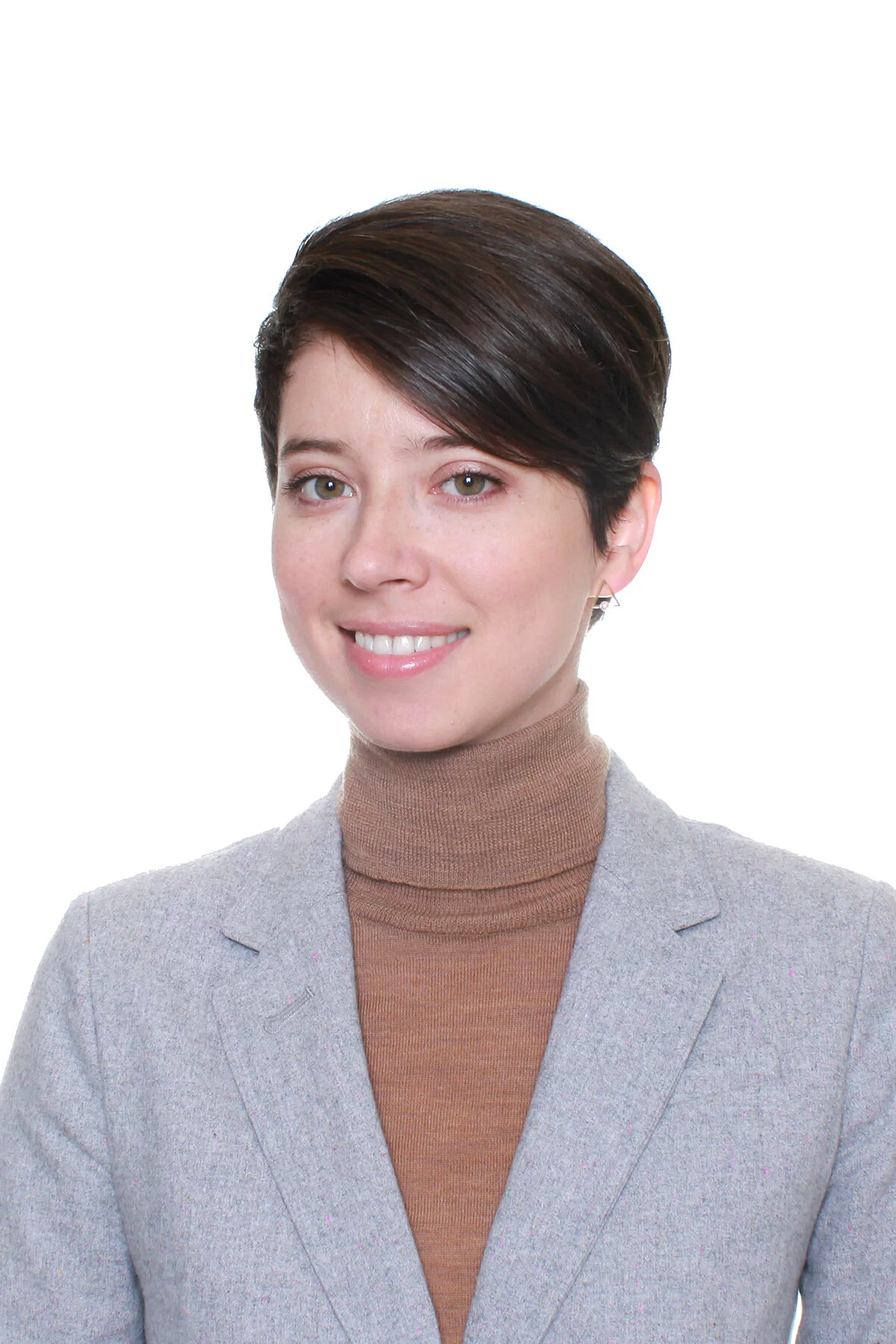
Assistant Professor, Centre for Applied Synthetic Biology, Department of Biology, Concordia University
Bio: We are a dynamic research group at the Centre for Applied Synthetic Biology, Concordia University. We investigate how phenotypes and disease states emerge from the interplay of genetic determinants in yeast and human cells. Using a combination of systematic genetic screening (trigenic interaction screens, high-content screens, overexpression screens and CRISPR screens), genome sequencing (bulk and single cell DNA and RNA sequencing), genome engineering and synthetic biology approaches, we aim to enhance our understanding of the genotype-to-phenotype relationship and genome evolution. We pursue several research themes focusing on mapping complex genetic interaction networks, from genetic network rewiring between distantly related yeast species, conditional functional redundancy and divergence of duplicated genes and complex genetic interaction network of large copy number variants in cancer.
Website: https://kuzmin-lab.github.io/
Twitter: @Elenak35

Dr. Angeliki Pantazi/Southern Alberta Genome Sciences Centre
Intersection of genome sequencing/bioinformatics, interpretation and editing.

Scientific Officer - Southern Alberta Genome Sciences Centre / Primary Investigator - Lethbridge iGEM Team
Email Address: angeliki.pantazi@uleth.ca
Bio: Intersection of genome sequencing/bioinformatics, interpretation and editing.
Website: www.sagsc.org
Twitter: @apantaz

Dr. Scott McComb
Chimeric antigen receptor T cells (CAR-T) are an exciting new avenue to redirect immune cells to target and kill cancer. While breakthroughs in CAR-T therapy have led to life-saving treatments for patients with previously incurable leukemia, such therapies have been less successful against solid tumours.
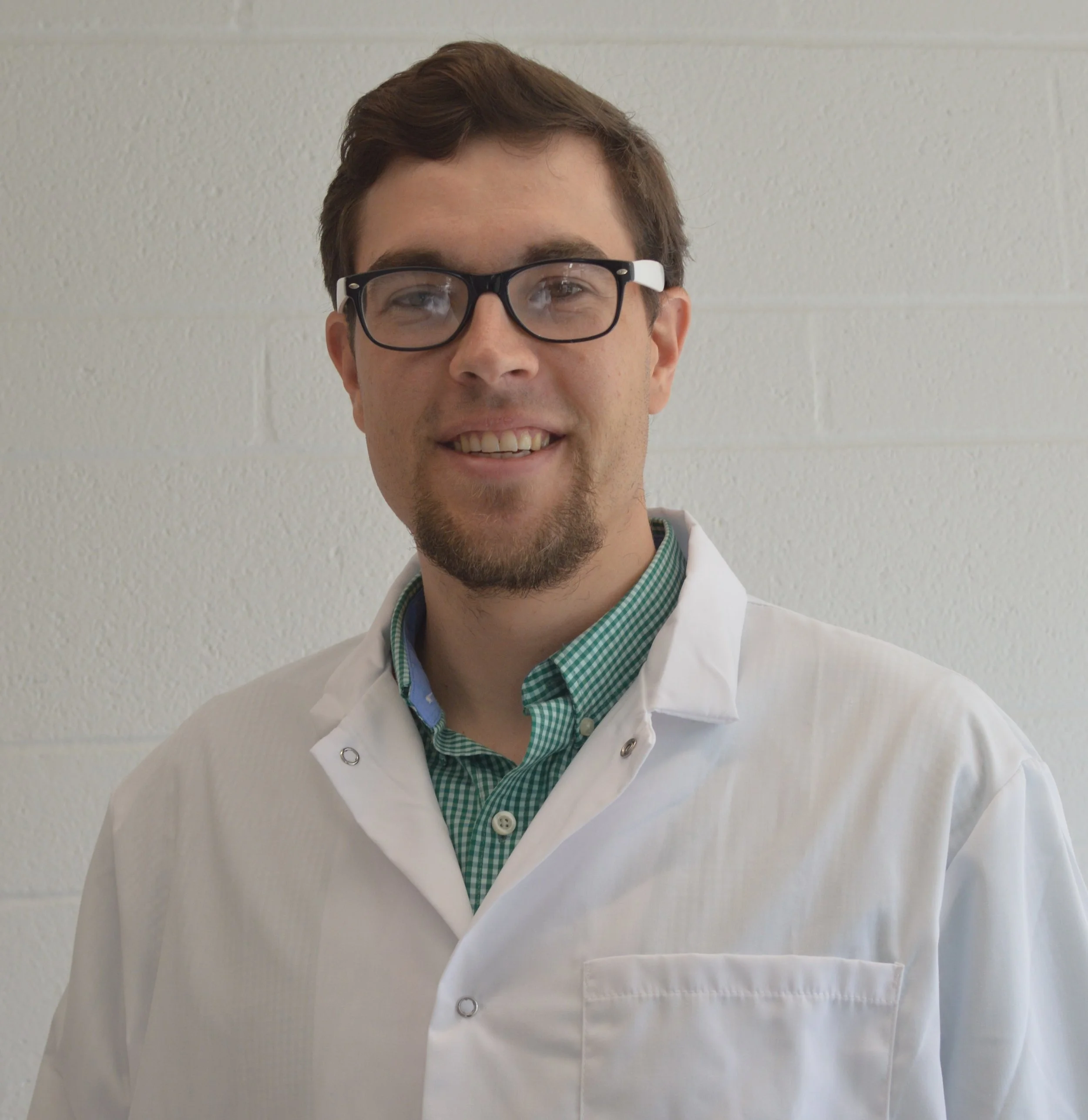
Research Officer, National Research Council of Canada; University of Ottawa
Email Address: scott.mccomb@nrc-cnrc.gc.ca
Bio: Chimeric antigen receptor T cells (CAR-T) are an exciting new avenue to redirect immune cells to target and kill cancer. While breakthroughs in CAR-T therapy have led to life-saving treatments for patients with previously incurable leukemia, such therapies have been less successful against solid tumours. Moreover, the determinants of long term cancer regression in CAR-T treated patients are not yet well understood. Using genome editing, we are dissecting the mechanisms of programmed cell death and other immune signalling pathways in T cells in order to improve their effectiveness against cancer. Our long term goal is to create super-functional gene-edited cell therapies to treat currently intractable illnesses such as cancer and autoimmunity.

Dr. Jimin Guo
We develop new methods in the domains of Genomics and Synthetic Biology, using microfluidics and computational biology.
Research Officer, National Research Council Canada
Bio: We develop new methods in the domains of Genomics and Synthetic Biology, using microfluidics and computational biology.

Dr. Peter Zandstra
Research in the Zandstra Laboratory is focused on the generation of functional tissue from somatic and pluripotent stem cells. Our quantitative, technology-driven approach strives to gain new insights into fundamental mechanisms that control stem cell fate and to develop robust technologies for the propagation of stem cells and their derivatives.

Professor & Director, Michael Smith Laboratories, University of British Columbia / Professor, University of Toronto
Email Address: peter.zandstra@ubc.ca
Bio: Research in the Zandstra Laboratory is focused on the generation of functional tissue from somatic and pluripotent stem cells. Our quantitative, technology-driven approach strives to gain new insights into fundamental mechanisms that control stem cell fate and to develop robust technologies for the propagation of stem cells and their derivatives. We apply synthetic biology to understand and control cell fate decisions by manipulating the stem cells themselves (genome editing, gene circuit engineering) and their prospective niche (synthetic biomaterials, macro- and micro reactor technologies).
Website: http://stemcell.ibme.utoronto.ca/
Twitter: @PZandstra

Dr. Wei Zhang
My lab will open in July 2018 at the Department of Molecular and Cellular Biology, University of Guelph. We are creating synthetic proteins using bimolecular engineering approaches to accelerate understanding of biology and development of novel therapeutics.
Assistant Professor, University of Guelph
Email Address: weizhang8182@gmail.com
Bio: My lab opened in July 2018 at the Department of Molecular and Cellular Biology, University of Guelph. We are creating synthetic proteins using biomolecular engineering approaches to accelerate understanding of biology and development of novel therapeutics.
Website: www.thezhanglab.com
Twitter: @WeiZhangTO