

Dr. Grant Brown
Development of yeast chassis for synthetic biology applications.

Professor, University of Toronto
Email Address: grant.brown@utoronto.ca
Bio: Development of yeast chassis for synthetic biology applications.

Dr. Alex N. Nguyen Ba
We take advantage of latest synthetic biology approaches to increase the scale or resolution at which we can interrogate the systems biology of the cell.

Assistant Professor of Cell and Systems Biology, University of Toronto
Email address: alex.nguyenba@utoronto.ca
Bio: We take advantage of latest synthetic biology approaches to increase the scale or resolution at which we can interrogate the systems biology of the cell, or to observe the evolutionary process of cell populations under adaptation.
Website: https://annb-lab.github.io/
Twitter: @alex_nguyen_ba

Dr. Christopher Brett
Using humanized S. cerevisiae (baker's yeast) as a platform to develop new medicines.

Associate Professor, Concordia University
Email Address: christopher.brett@concordia.ca
Bio: Using humanized S. cerevisiae (baker's yeast) as a platform to develop new medicines.
Website: https://christoperbrett.wixsite.com/brettlab
Twitter: @drbrettphd

Dr. Steven Hallam
Dr. Hallam directs the ECOSCOPE innovation ecosystem consisting of an NSERC CREATE training program, a research network, a core facility for high-throughput screening and a curriculum development initiative in data science based on four research and training pillars.

Professor, University of British Columbia
Email Address: shallam@mail.ubc.ca
Bio: Dr. Steven Hallam is a University of California Santa Cruz and MIT trained molecular biologist, microbial ecologist, entrepreneur, and innovator with over 20 years experience in field and laboratory research at disciplinary interfaces. He is a Professor in the Department of Microbiology and Immunology, former Canada Research Chair in Environmental Genomics and a Leopold Leadership Fellow. He is also a program faculty member in the Bioinformatics and Genome Sciences and Technology training programs at UBC.
Dr. Hallam directs the ECOSCOPE innovation ecosystem consisting of an NSERC CREATE training program, a research network, a core facility for high-throughput screening and a curriculum development initiative in data science based on four research and training pillars: i) microbial ecology, ii) biological engineering, iii) data science, and iv) networking and entrepreneurship. His research intersects these program pillars with specific emphasis on the creation of functional screens and computational tools that reveal hidden metabolic powers of uncultivated microbial communities with direct application to biocatalyst discovery and pathway engineering.
Website: http://ecoscope.ubc.ca
Twitter: @HallamLab

Dr. Aashiq Kachroo
We are a systems genetics and synthetic biology group interested in repurposing model organisms by humanizing yeast. Our laboratory aims to engineer human biological processes in simplified cells to study disease and evolution.
Assistant Professor, Concordia University
Email Address: aashiq.kachroo@concordia.ca
Bio: We are a systems genetics and synthetic biology group interested in repurposing model organisms by humanizing yeast. Our laboratory aims to engineer human biological processes in simplified cells to study disease and evolution.
Website: www.kachroolab.org
Twitter: @Kachroo_Lab

Dr. Elena Kuzmin
We investigate how phenotypes and disease states emerge from the interplay of genetic determinants in yeast and human cells.
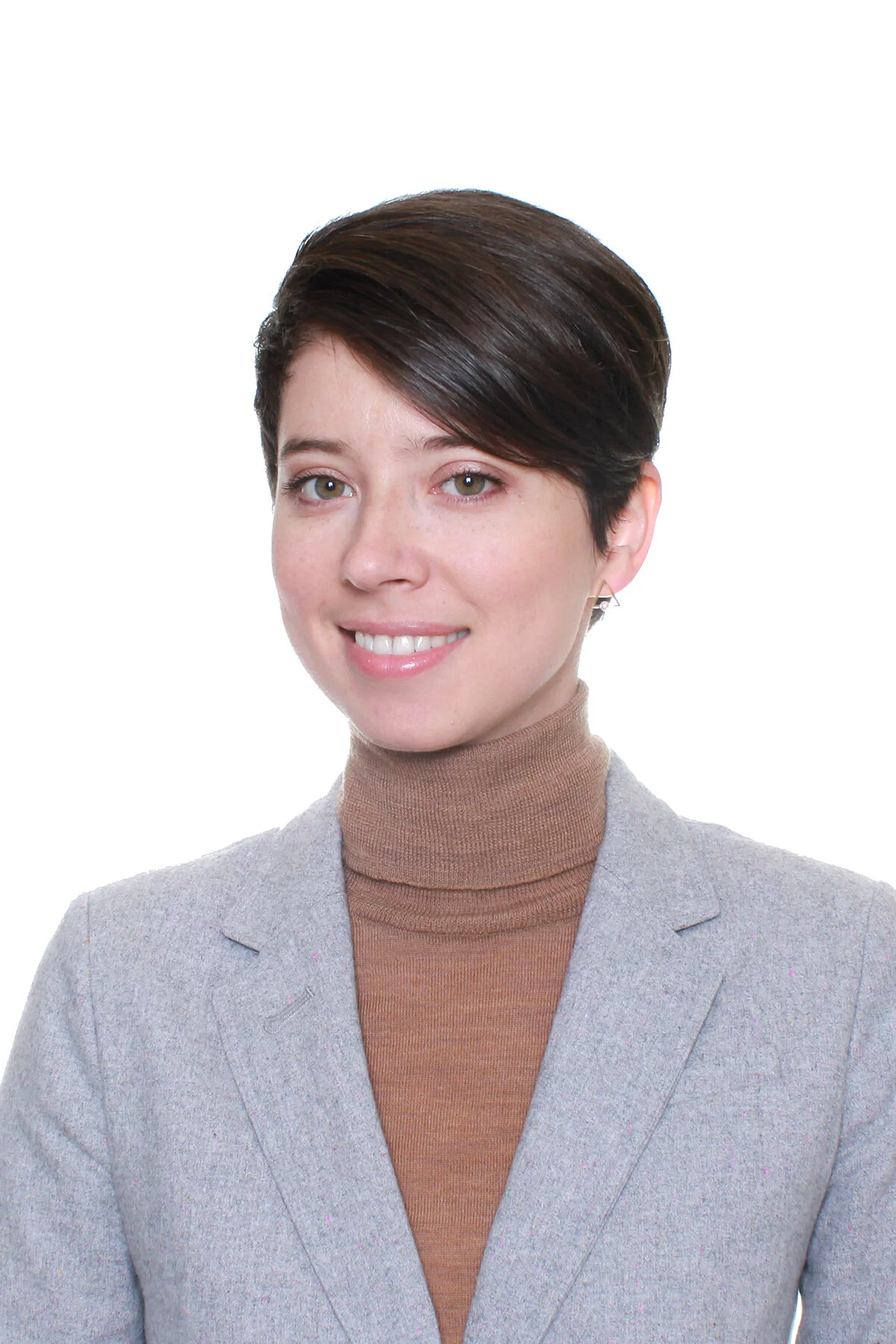
Assistant Professor, Centre for Applied Synthetic Biology, Department of Biology, Concordia University
Bio: We are a dynamic research group at the Centre for Applied Synthetic Biology, Concordia University. We investigate how phenotypes and disease states emerge from the interplay of genetic determinants in yeast and human cells. Using a combination of systematic genetic screening (trigenic interaction screens, high-content screens, overexpression screens and CRISPR screens), genome sequencing (bulk and single cell DNA and RNA sequencing), genome engineering and synthetic biology approaches, we aim to enhance our understanding of the genotype-to-phenotype relationship and genome evolution. We pursue several research themes focusing on mapping complex genetic interaction networks, from genetic network rewiring between distantly related yeast species, conditional functional redundancy and divergence of duplicated genes and complex genetic interaction network of large copy number variants in cancer.
Website: https://kuzmin-lab.github.io/
Twitter: @Elenak35

Dr. Sateesh Kagale
We are utilizing Synthetic Biology tools for improving the productivity of agricultural crops. Specifically, we apply precise gene editing tools to improve tolerance to pests, diseases and abiotic stress of economically important agricultural crops, such as wheat, canola and pulse.
Team Leader, National Research Council Canada
Bio: We are utilizing Synthetic Biology tools for improving the productivity of agricultural crops. Specifically, we apply precise gene editing tools to improve tolerance to pests, diseases and abiotic stress of economically important agricultural crops, such as wheat, canola and pulse.
Website: www.nrc.ca
Twitter: @sateeshkagale

Dr. Bogumil Karas
Research in the Karas lab is focused on developing innovative genetic tools to enable the engineering of microbes to produce medicines, DNA storage technologies, food and next-generation fuels.
Assistant Professor, Biochemistry, University of Western Ontario / CEO Designer Microbes
Email Address: bkaras@uwo.ca
Bio: Research in the Karas lab is focused on developing innovative genetic tools to enable the engineering of microbes to produce medicines, DNA storage technologies, food and next-generation fuels. We are using a multi-host system to perform in vivo gene deletions, additions and replacements. This approach was designed to take advantage of existing genetic tools developed for model organisms, including Escherichia coli and Saccharomyces cerevisiae. Currently, we are developing novel tools for eukaryotic algae: Phaeodactylum tricornutum, Thalassiosira pseudonana and soil bacterium Sinorhizobium meliloti.
Website: https://www.schulich.uwo.ca/biochem/people/bios/Karas.html
Twitter: @BogumilKaras

Dr. Angeliki Pantazi/Southern Alberta Genome Sciences Centre
Intersection of genome sequencing/bioinformatics, interpretation and editing.

Scientific Officer - Southern Alberta Genome Sciences Centre / Primary Investigator - Lethbridge iGEM Team
Email Address: angeliki.pantazi@uleth.ca
Bio: Intersection of genome sequencing/bioinformatics, interpretation and editing.
Website: www.sagsc.org
Twitter: @apantaz

BioZone
BioZone aims to use Bioengineering to create a sustainable world by making industrial processes more sustainable, remediating humanity's environmental impact, and improving health outcome.

BioZone, Faculty of Applied Science and Engineering, University of Toronto
Bio: BioZone is a Centre for Applied Bioscience and Bioengineering Research at the University of Toronto’s Faculty of Applied Science and Engineering.
BioZone aims to use Bioengineering to create a sustainable world by making industrial processes more sustainable, remediating humanity's environmental impact, and improving health outcome.
For example, to help make industrial processes more environmentally friendly and reduce carbon emissions, we help companies replace petroleum feedstocks with renewable sources, including waste material from agriculture and forestry sectors, by engineering microbes and enzymes that can convert sugars or complex organics (lignin) into value-added chemicals and materials.
BioZone's synbio relevant skills include metagenomics, enzymology, functional genomics, enzyme engineering, metabolic and whole cell modeling, systems biology, computational biology, bioprocess design, techno-economic assessment, and lifecycle analysis.
Website: www.biozone.utoronto.ca
Twitter: @BioZoneUT

Dr. Vincent Martin
We are synthetic biologists with a strong penchant for metabolic engineering and industrial strain improvement. We like yeast but will play with other unicellular bugs as well.
Professor, Concordia University and Co-Director, Centre for Applied Synthetic Biology
Email Address: vincent.martin@concordia.ca
Bio: We are synthetic biologists with a strong penchant for metabolic engineering and industrial strain improvement. We like yeast but will play with other unicellular bugs as well.

Dr. Scott McComb
Chimeric antigen receptor T cells (CAR-T) are an exciting new avenue to redirect immune cells to target and kill cancer. While breakthroughs in CAR-T therapy have led to life-saving treatments for patients with previously incurable leukemia, such therapies have been less successful against solid tumours.
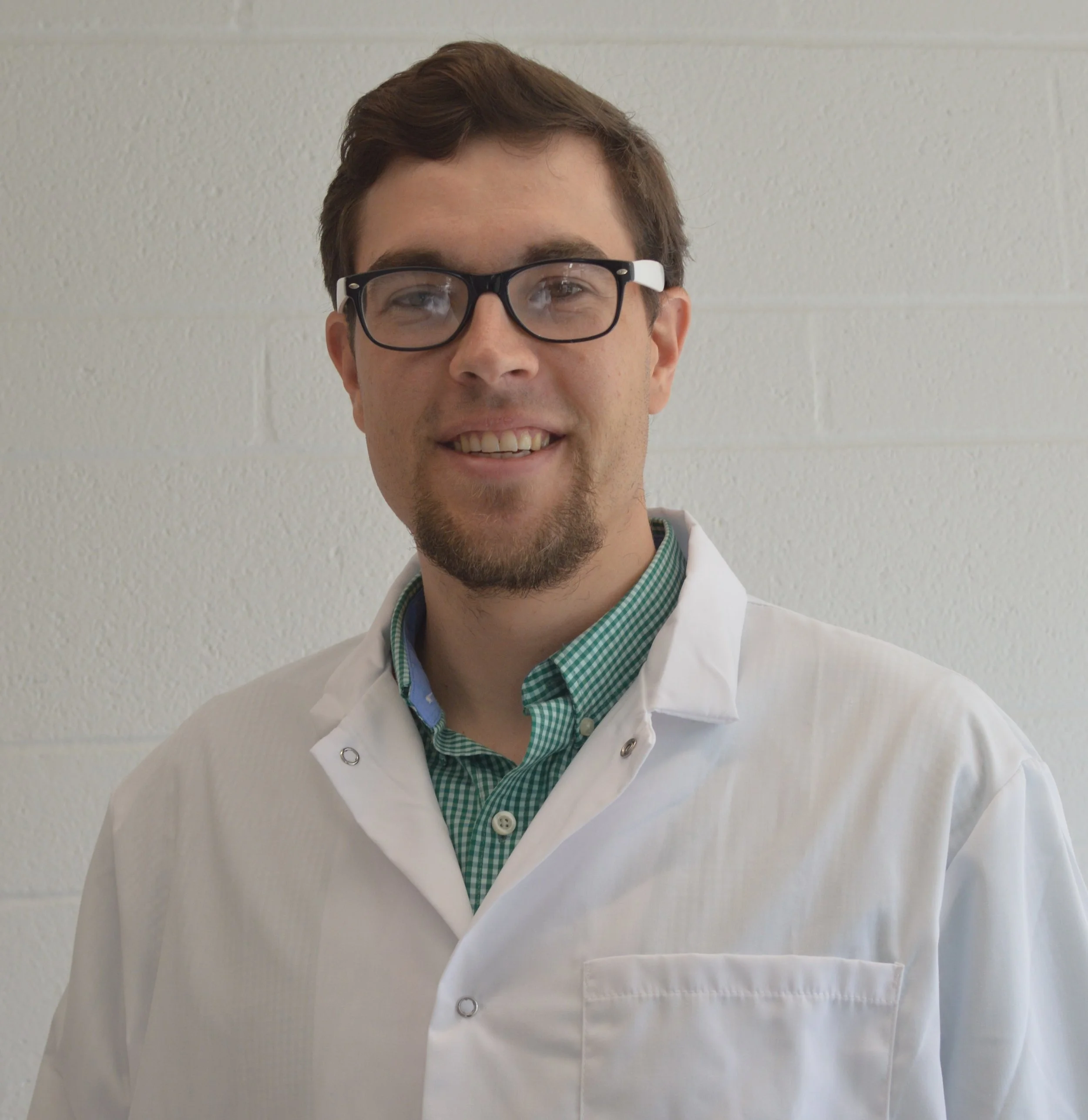
Research Officer, National Research Council of Canada; University of Ottawa
Email Address: scott.mccomb@nrc-cnrc.gc.ca
Bio: Chimeric antigen receptor T cells (CAR-T) are an exciting new avenue to redirect immune cells to target and kill cancer. While breakthroughs in CAR-T therapy have led to life-saving treatments for patients with previously incurable leukemia, such therapies have been less successful against solid tumours. Moreover, the determinants of long term cancer regression in CAR-T treated patients are not yet well understood. Using genome editing, we are dissecting the mechanisms of programmed cell death and other immune signalling pathways in T cells in order to improve their effectiveness against cancer. Our long term goal is to create super-functional gene-edited cell therapies to treat currently intractable illnesses such as cancer and autoimmunity.

Dr. Moira McQueen
As a bioethicist, I am interested in the science and development of synthetic biology and in ethical questions that arise from its use, as well as in its impact on health care, the workforce and the environment.
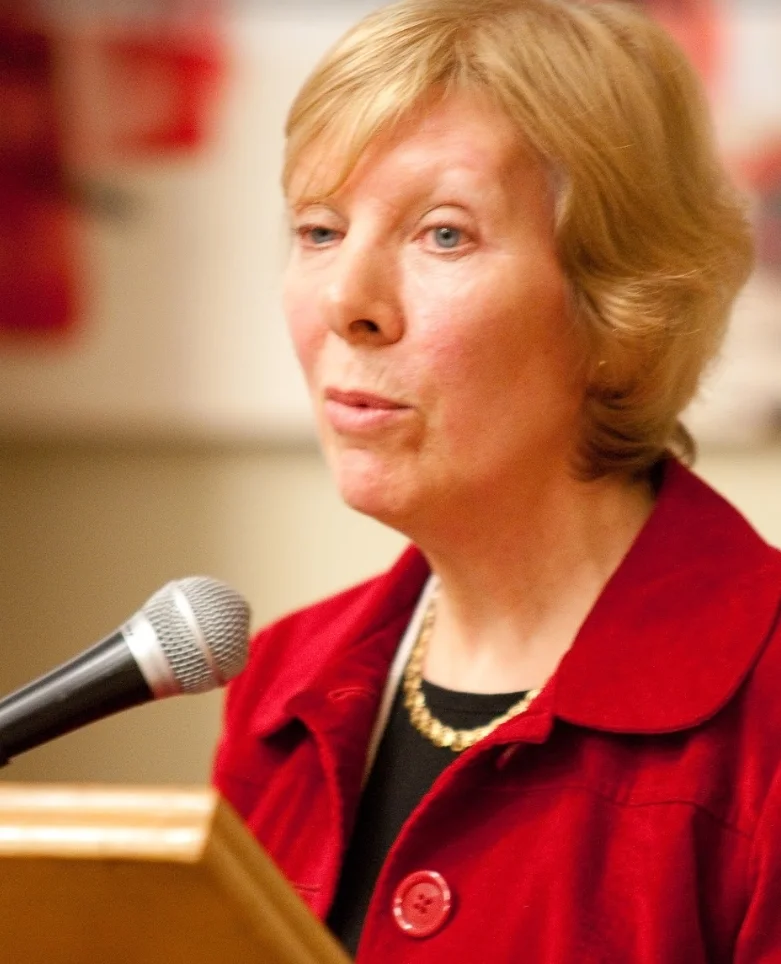
Executive Director, Canadian Catholic Bioethics Institute, University of St Michael's College, University of Toronto, (LLB, M Div, PhD)
Bio: As a bioethicist, I am interested in the science and development of synthetic biology and in ethical questions that arise from its use, as well as in its impact on health care, the workforce and the environment.
Website: www.ccbi-utoronto.ca
Twitter: @moiramcqueen

Dr. Rebecca Shapiro
My research group at the University of Guelph is developing new CRISPR-based platforms for functional genomic analysis in fungal pathogens.
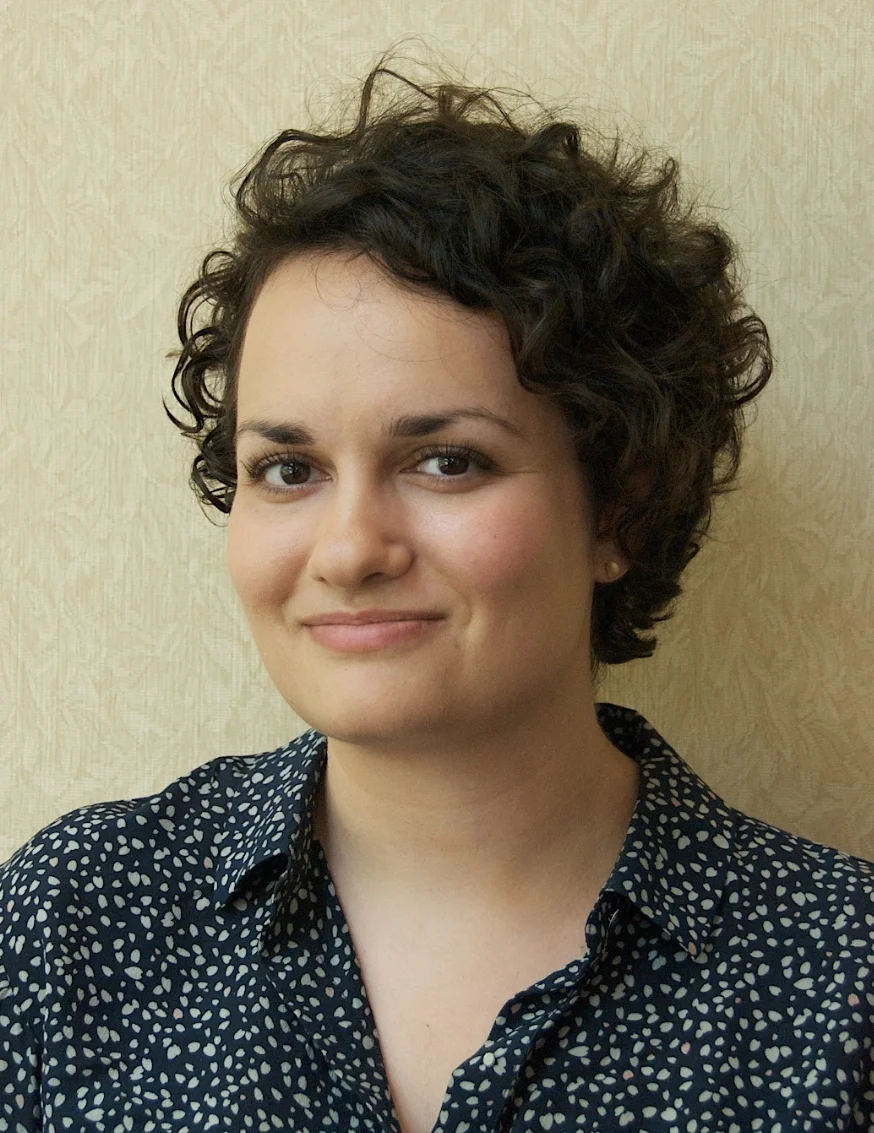
Assistant Professor, University of Guelph
Email Address: shapiror@uoguelph.ca
Bio: My research group at the University of Guelph is developing new CRISPR-based platforms for functional genomic analysis in fungal pathogens.
Website: http://www.theshapirolab.com/
Twitter: @ShapiroRebecca

Dr. Peter Zandstra
Research in the Zandstra Laboratory is focused on the generation of functional tissue from somatic and pluripotent stem cells. Our quantitative, technology-driven approach strives to gain new insights into fundamental mechanisms that control stem cell fate and to develop robust technologies for the propagation of stem cells and their derivatives.

Professor & Director, Michael Smith Laboratories, University of British Columbia / Professor, University of Toronto
Email Address: peter.zandstra@ubc.ca
Bio: Research in the Zandstra Laboratory is focused on the generation of functional tissue from somatic and pluripotent stem cells. Our quantitative, technology-driven approach strives to gain new insights into fundamental mechanisms that control stem cell fate and to develop robust technologies for the propagation of stem cells and their derivatives. We apply synthetic biology to understand and control cell fate decisions by manipulating the stem cells themselves (genome editing, gene circuit engineering) and their prospective niche (synthetic biomaterials, macro- and micro reactor technologies).
Website: http://stemcell.ibme.utoronto.ca/
Twitter: @PZandstra

Dr. Wei Zhang
My lab will open in July 2018 at the Department of Molecular and Cellular Biology, University of Guelph. We are creating synthetic proteins using bimolecular engineering approaches to accelerate understanding of biology and development of novel therapeutics.
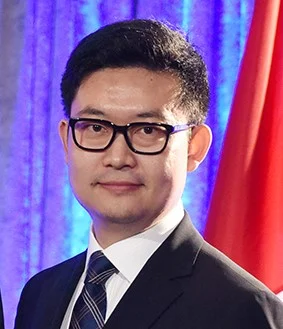
Assistant Professor, University of Guelph
Email Address: weizhang8182@gmail.com
Bio: My lab opened in July 2018 at the Department of Molecular and Cellular Biology, University of Guelph. We are creating synthetic proteins using biomolecular engineering approaches to accelerate understanding of biology and development of novel therapeutics.
Website: www.thezhanglab.com
Twitter: @WeiZhangTO

SynBioApps NSERC-CREATE program
SynBioApps offers graduate training in the various technologies of synthetic biology, including work in Concordia University’s Genome Foundry.

SynBioApps NSERC-CREATE program, Concordia University
Email Address: synbioapps@concordia.ca
Bio: SynBioApps offers graduate training in the various technologies of synthetic biology, including work in Concordia University’s Genome Foundry. Students are exposed to applied R&D in the context of industrial synbio applications and entrepreneurship. Further training includes ethical considerations; an understanding of regulatory environments and IP; network opportunities; and collaboration with business student to create product pitches.
Website: https://www.concordia.ca/sgs/programs/interdisciplinary/synthetic-biology-applications.html
Twitter: https://twitter.com/SynBioAppsCU