

Dr. Marc Aucoin
We aim to characterize viral promoters to control the production of proteins in insect cells with the goal of creating a manufacturing assembly line for complex biologics.

Professor, University of Waterloo
Email address: maucoin@uwaterloo.ca
Bio: We aim to characterize viral promoters to control the production of proteins in insect cells with the goal of creating a manufacturing assembly line for complex biologics.
Website: https://uwaterloo.ca/applied-virus-complex-biologics-bioprocessing-research-lab/
Twitter: @profaucoin; @AppliedVirus

Dr. Grant Brown
Development of yeast chassis for synthetic biology applications.

Professor, University of Toronto
Email Address: grant.brown@utoronto.ca
Bio: Development of yeast chassis for synthetic biology applications.

Dr. Adam Damry
We're a newly established lab looking at how proteins behave at solid interfaces. Most of our understanding of protein science comes from fluid environments. However, solids are another incredibly relevant medium to modern biotech applications, and we don't yet have a strong understanding of how proteins interact with them.

Assistant Professor, University of Ottawa
Email Address: adam.damry@gmail.com
Bio: We're a newly established lab looking at how proteins behave at solid interfaces. Most of our understanding of protein science comes from fluid environments. However, solids are another incredibly relevant medium to modern biotech applications, and we don't yet have a strong understanding of how proteins interact with them.
Our research program aims to start filling in these holes using whatever tools we can find, make, or dream up. With so much of the landscape uncharted, we'll be pioneers of sorts, but that's the exciting part! Along the way, we'll use what we learn to create biological tools with real world applications. From plastic degrading enzymes for bioremediation and recycling to immobilized enzymes in personalized medical devices to functional enzyme-linked scaffolds for industrial processes, the possibilities are endless.
Website: www.damrylab.com

Dr. Alex N. Nguyen Ba
We take advantage of latest synthetic biology approaches to increase the scale or resolution at which we can interrogate the systems biology of the cell.

Assistant Professor of Cell and Systems Biology, University of Toronto
Email address: alex.nguyenba@utoronto.ca
Bio: We take advantage of latest synthetic biology approaches to increase the scale or resolution at which we can interrogate the systems biology of the cell, or to observe the evolutionary process of cell populations under adaptation.
Website: https://annb-lab.github.io/
Twitter: @alex_nguyen_ba

Dr. Christopher Brett
Using humanized S. cerevisiae (baker's yeast) as a platform to develop new medicines.

Associate Professor, Concordia University
Email Address: christopher.brett@concordia.ca
Bio: Using humanized S. cerevisiae (baker's yeast) as a platform to develop new medicines.
Website: https://christoperbrett.wixsite.com/brettlab
Twitter: @drbrettphd

Dr. Codruta Ignea
Our group is interested in sustainable production of chemicals by reprogramming simple organisms, such as yeast, into "smart chassis" to yield customizable products.
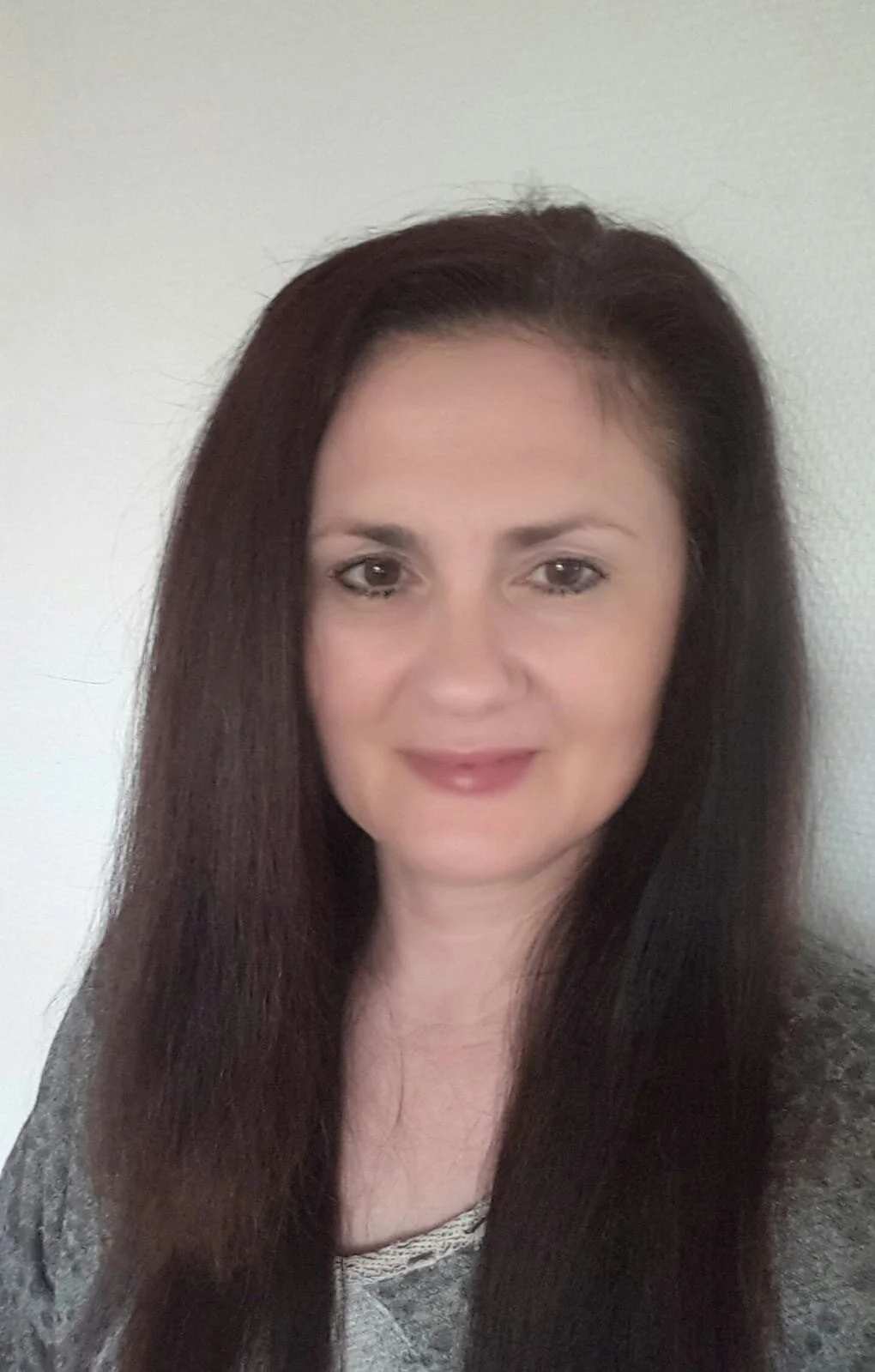
Assistant Professor, McGill University
Bio: Our group is interested in sustainable production of chemicals by reprogramming simple organisms, such as yeast, into "smart chassis" to yield customizable products. We apply a multi-disciplinary approach that involve biocatalysis, metabolic engineering, protein engineering and synthetic biology to access and expand Nature’s chemical space for discovery of new molecules with improved biological activities.
Website: https://www.mcgill.ca/bioengineering/codruta-ignea-0
Twitter: @codrutaignea

Dr. Daniel Charlebois
My research program combines physics and synthetic biology to make fundamental advances in our understanding of living systems and to apply this knowledge to the growing problem of antimicrobial resistance.

Professor, University of Alberta
Email address: dcharleb@ualberta.ca
Bio: My research program combines physics and synthetic biology to make fundamental advances in our understanding of living systems and to apply this knowledge to the growing problem of antimicrobial resistance. We develop quantitative mathematical/computational/machine learning models and perform experiments on genetically engineered yeast (Saccharomyces cerevisiae) and pathogenic yeasts (Candida spp.). I am also a faculty advisor for the 2022 UAlberta iGEM team - this years project is to genetically engineering bacteria to detect and destroy human pathogenic fungi!
Website: https://sites.ualberta.ca/~dcharleb/
Twitter: @cLab_UAlberta

Dr. Laura Keffer-Wilkes
I am the primary investigator for the Lethbridge high school iGEM team and the manager of SynBridge, the U of L's synthetic biology maker space.
Instructor & lab manager, University of Lethbridge
Email Address: kefferwilkesl@uleth.ca
Bio: I am the primary investigator for the Lethbridge high school iGEM team and the manager of SynBridge, the U of L's synthetic biology maker space.
Website: https://www.uleth.ca/core-facilities/synthetic-biology
Twitter: @LethHS_iGEM @SynBridge @InnovationRNA

Dr. Trevor Charles
Professor Charles is a microbiologist with expertise in bacterial molecular genetics. His research group studies the mechanisms of gene regulatory circuits that control the interactions of Rhizobiales bacteria such as Sinorhizobium meliloti with their eukaryal hosts.
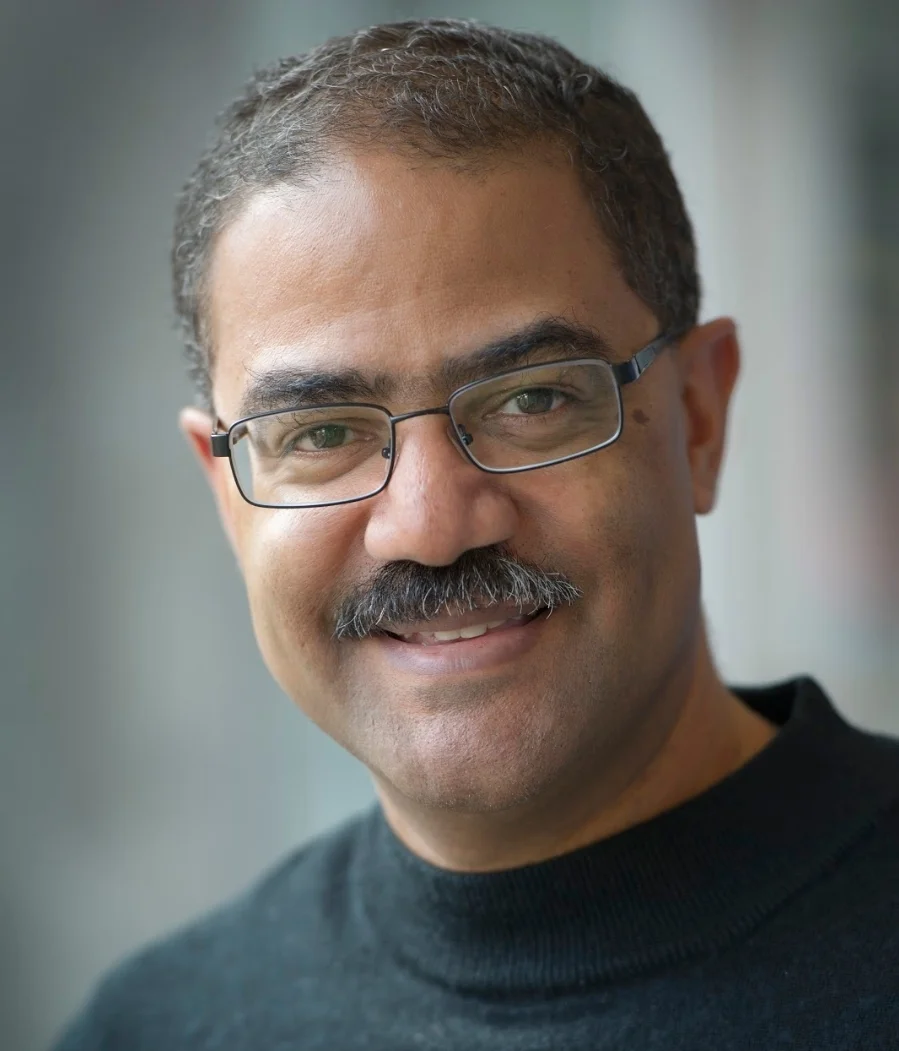
Professor, Waterloo Centre for Microbial Research, University of Waterloo / CSO, Metagenom Bio Inc.
Email Address: tcharles@uwaterloo.ca
Bio: Professor Charles is a microbiologist with expertise in bacterial molecular genetics. His research group studies the mechanisms of gene regulatory circuits that control the interactions of Rhizobiales bacteria such as Sinorhizobium meliloti with their eukaryal hosts.
The group also develops methods for functional metagenomics using alternate surrogate hosts, and employs these methods to isolate novel genes with interesting functions from microbial community genomic libraries.
Current research emphasis is on functional metagenomics, bioplastics and bacterial genome engineering.
Website: https://uwaterloo.ca/biology/people-profiles/trevor-c-charles
Twitter: @trevorcharles

Dr. Thu Thuy Dang
Dang Group integrates biochemistry, chemistry, bioinformatics, and molecular genetics to elucidate and engineer the biosynthesis of valuable small molecules from medicinal plants.

Assistant Professor, University of British Columbia, Department of Chemistry
Email Address: thuy.dang@ubc.ca
Bio: Dang Group integrates biochemistry, chemistry, bioinformatics, and molecular genetics to elucidate and engineer the biosynthesis of valuable small molecules from medicinal plants. Our ultimate aim is to learn and to translate natural metabolism into innovative biotechnologies to meet the ever-increasing demands of high-value chemicals. Our current projects involve: discovering new biosynthetic enzymes and pathways, generating alkaloid structural and functional diversities, and re-constituting natural products metabolism in synthetic biology chassis.
Website: https://sites.google.com/view/plantbiocore/home?authuser=0

Dr. Steven Hallam
Dr. Hallam directs the ECOSCOPE innovation ecosystem consisting of an NSERC CREATE training program, a research network, a core facility for high-throughput screening and a curriculum development initiative in data science based on four research and training pillars.

Professor, University of British Columbia
Email Address: shallam@mail.ubc.ca
Bio: Dr. Steven Hallam is a University of California Santa Cruz and MIT trained molecular biologist, microbial ecologist, entrepreneur, and innovator with over 20 years experience in field and laboratory research at disciplinary interfaces. He is a Professor in the Department of Microbiology and Immunology, former Canada Research Chair in Environmental Genomics and a Leopold Leadership Fellow. He is also a program faculty member in the Bioinformatics and Genome Sciences and Technology training programs at UBC.
Dr. Hallam directs the ECOSCOPE innovation ecosystem consisting of an NSERC CREATE training program, a research network, a core facility for high-throughput screening and a curriculum development initiative in data science based on four research and training pillars: i) microbial ecology, ii) biological engineering, iii) data science, and iv) networking and entrepreneurship. His research intersects these program pillars with specific emphasis on the creation of functional screens and computational tools that reveal hidden metabolic powers of uncultivated microbial communities with direct application to biocatalyst discovery and pathway engineering.
Website: http://ecoscope.ubc.ca
Twitter: @HallamLab

Dr. Brian Ingalls
Our group uses mathematical and computational tools to construct and analyse kinetic models of biomolecular systems. Our current projects are primarily focused on model-based design of synthetic bacterial gene regulatory systems.
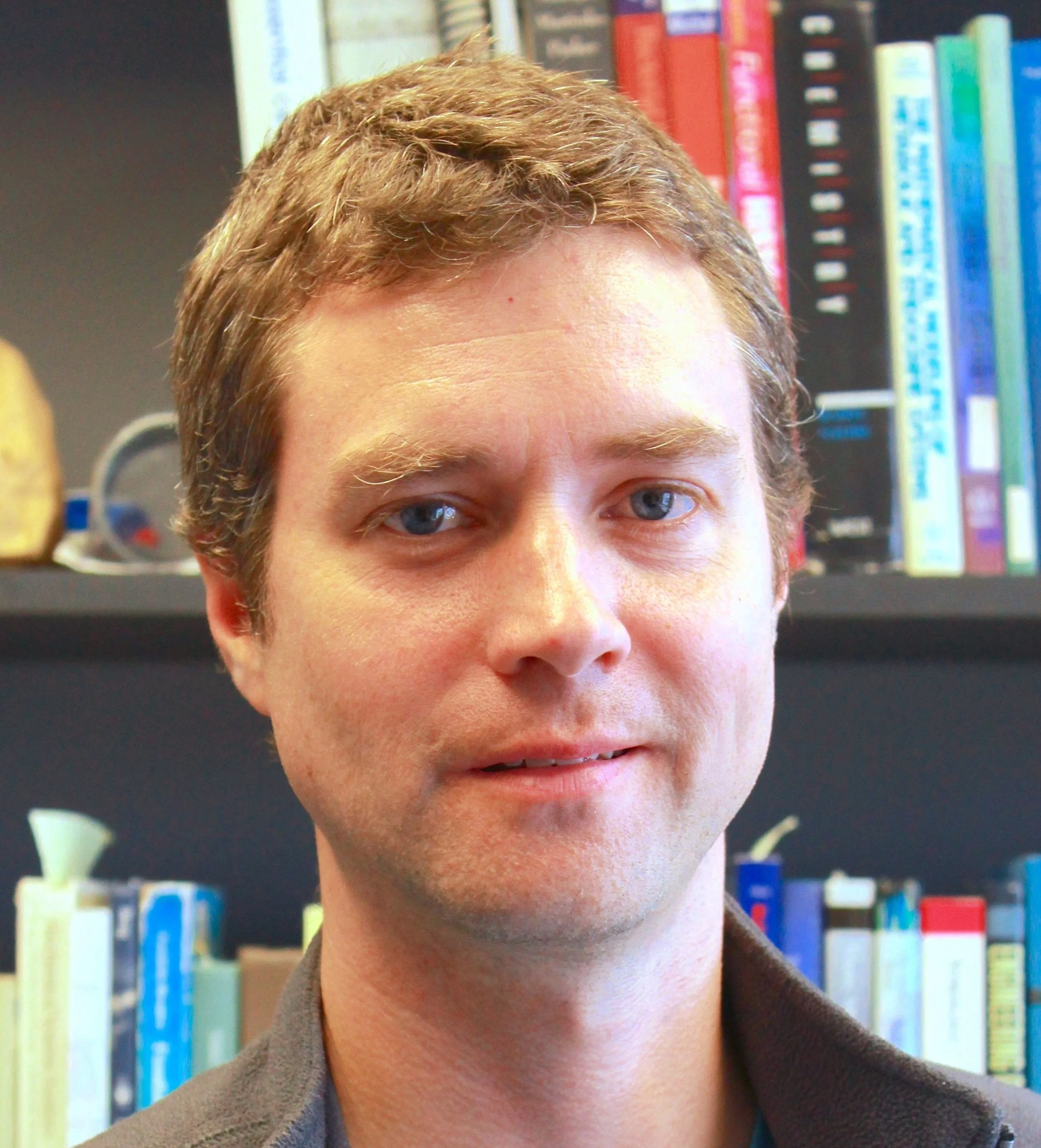
Professor, Department of Applied Mathematics, University of Waterloo
Email Address: bingalls@uwaterloo.ca
Bio: Our group uses mathematical and computational tools to construct and analyse kinetic models of biomolecular systems. Our current projects are primarily focused on model-based design of synthetic bacterial gene regulatory systems.
Website: www.math.uwaterloo.ca/~bingalls/
Twitter: @bpingalls

Dr. Mads Kaern
I believe that Synthetic Biology will continue to play a significant role in medical innovation, including engineered virus and engineered immune cells that can cure cancer.

Professor, University of Ottawa
Bio: I believe that Synthetic Biology will continue to play a significant role in medical innovation, including engineered virus and engineered immune cells that can cure cancer. I have been part of the Synthetic Biology community since the early 00' and started working in the field with Dr. James Collins on sources of "noisy" signals in gene expression and the engineering of programable cell behaviour by creating "plug-ins" for interfacing synthetic gene networks and natural signalling pathways. To facilitate medical advances, I am member of the Cancer Therapeutics Program at the Ottawa Hospital Research Institute and the Regional Genetics Program at the Children's Hospital of Eastern Ontario.
My NSERC-funded Synthetic Biology program uses an integrated genetic network engineering approach to study gene regulatory processes and develop artificial gene control systems. This program is driven by my long-term passion to understand how genomes encode "programs" that control and coordinate cellular behaviour and organismal development and fail during disease. This involves both foundational and applied research, including DNA assembly methods, artificial transcription factors, biological network design, systems modelling and simulation.
I initiated the uOttawa iGEM undergraduate training program soon after I arrived in Ottawa and have been the organizer and the supervisor of the uOttawa iGEM team. Many iGEM team members have continued as graduate students in my program subsequently moved to world-leading institutions including MIT, Cambridge, Harvard and NYU.
Website: UOttawa website

Dr. Elena Kuzmin
We investigate how phenotypes and disease states emerge from the interplay of genetic determinants in yeast and human cells.
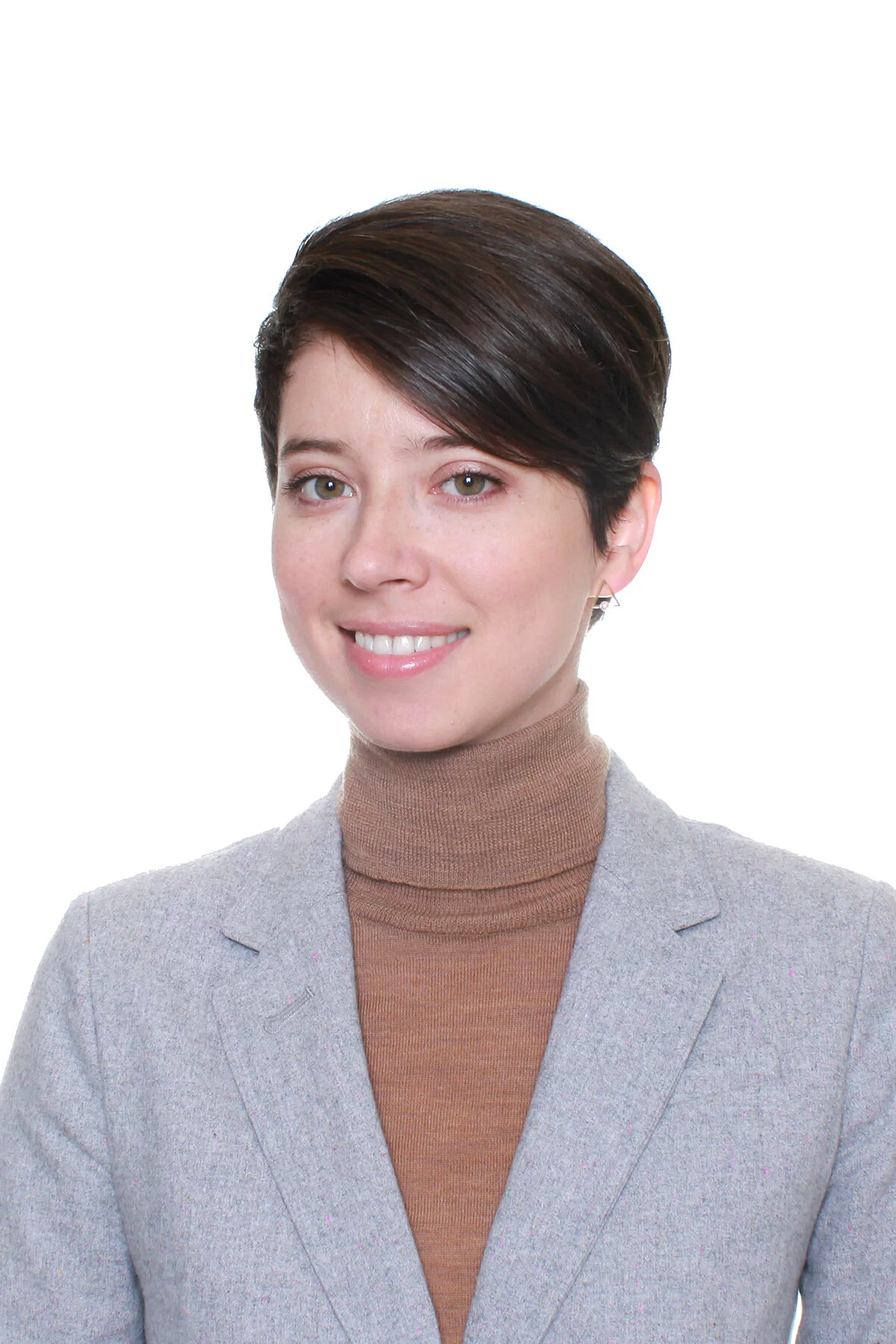
Assistant Professor, Centre for Applied Synthetic Biology, Department of Biology, Concordia University
Bio: We are a dynamic research group at the Centre for Applied Synthetic Biology, Concordia University. We investigate how phenotypes and disease states emerge from the interplay of genetic determinants in yeast and human cells. Using a combination of systematic genetic screening (trigenic interaction screens, high-content screens, overexpression screens and CRISPR screens), genome sequencing (bulk and single cell DNA and RNA sequencing), genome engineering and synthetic biology approaches, we aim to enhance our understanding of the genotype-to-phenotype relationship and genome evolution. We pursue several research themes focusing on mapping complex genetic interaction networks, from genetic network rewiring between distantly related yeast species, conditional functional redundancy and divergence of duplicated genes and complex genetic interaction network of large copy number variants in cancer.
Website: https://kuzmin-lab.github.io/
Twitter: @Elenak35

Dr. Sateesh Kagale
We are utilizing Synthetic Biology tools for improving the productivity of agricultural crops. Specifically, we apply precise gene editing tools to improve tolerance to pests, diseases and abiotic stress of economically important agricultural crops, such as wheat, canola and pulse.
Team Leader, National Research Council Canada
Bio: We are utilizing Synthetic Biology tools for improving the productivity of agricultural crops. Specifically, we apply precise gene editing tools to improve tolerance to pests, diseases and abiotic stress of economically important agricultural crops, such as wheat, canola and pulse.
Website: www.nrc.ca
Twitter: @sateeshkagale

Dr. Bogumil Karas
Research in the Karas lab is focused on developing innovative genetic tools to enable the engineering of microbes to produce medicines, DNA storage technologies, food and next-generation fuels.
Assistant Professor, Biochemistry, University of Western Ontario / CEO Designer Microbes
Email Address: bkaras@uwo.ca
Bio: Research in the Karas lab is focused on developing innovative genetic tools to enable the engineering of microbes to produce medicines, DNA storage technologies, food and next-generation fuels. We are using a multi-host system to perform in vivo gene deletions, additions and replacements. This approach was designed to take advantage of existing genetic tools developed for model organisms, including Escherichia coli and Saccharomyces cerevisiae. Currently, we are developing novel tools for eukaryotic algae: Phaeodactylum tricornutum, Thalassiosira pseudonana and soil bacterium Sinorhizobium meliloti.
Website: https://www.schulich.uwo.ca/biochem/people/bios/Karas.html
Twitter: @BogumilKaras

Dr. Shawn Lewenza
We use genomics approaches to build bacterial biosensors for environmental pollutant monitoring.
Associate Professor, Environmental Health, Athabasca University
Email Address: slewenza@athabascau.ca
Bio: We use genomics approaches to build bacterial biosensors for environmental pollutant monitoring.
Website: www.synbiosmart.com
Twitter: @DrShawnL

Dr. Angeliki Pantazi/Southern Alberta Genome Sciences Centre
Intersection of genome sequencing/bioinformatics, interpretation and editing.

Scientific Officer - Southern Alberta Genome Sciences Centre / Primary Investigator - Lethbridge iGEM Team
Email Address: angeliki.pantazi@uleth.ca
Bio: Intersection of genome sequencing/bioinformatics, interpretation and editing.
Website: www.sagsc.org
Twitter: @apantaz

BioZone
BioZone aims to use Bioengineering to create a sustainable world by making industrial processes more sustainable, remediating humanity's environmental impact, and improving health outcome.

BioZone, Faculty of Applied Science and Engineering, University of Toronto
Bio: BioZone is a Centre for Applied Bioscience and Bioengineering Research at the University of Toronto’s Faculty of Applied Science and Engineering.
BioZone aims to use Bioengineering to create a sustainable world by making industrial processes more sustainable, remediating humanity's environmental impact, and improving health outcome.
For example, to help make industrial processes more environmentally friendly and reduce carbon emissions, we help companies replace petroleum feedstocks with renewable sources, including waste material from agriculture and forestry sectors, by engineering microbes and enzymes that can convert sugars or complex organics (lignin) into value-added chemicals and materials.
BioZone's synbio relevant skills include metagenomics, enzymology, functional genomics, enzyme engineering, metabolic and whole cell modeling, systems biology, computational biology, bioprocess design, techno-economic assessment, and lifecycle analysis.
Website: www.biozone.utoronto.ca
Twitter: @BioZoneUT

Dr. Radhakrishnan Mahadevan
Our group primarily works on engineering metabolism in bacteria and yeast to produce chemicals and therapeutic molecules. Through the use of computational strategies on genome scale metabolic models of these organisms, we identify genetic intervention strategies to enhance target molecule production.

Professor, Associate Chair & Graduate Studies Coordinator, University of Toronto
Email Address: krishna.mahadevan@utoronto.ca
Bio: Our group primarily works on engineering metabolism in bacteria and yeast to produce chemicals and therapeutic molecules. Through the use of computational strategies on genome scale metabolic models of these organisms, we identify genetic intervention strategies to enhance target molecule production. Synthetic biological tools help us assemble and engineer pathways in microorganisms. We use synthetic gene regulatory circuits to dynamically control metabolism in host organisms. The ability to dynamically control metabolism based on environmental inputs finds application in a variety of different areas including therapeutics and industrial biotechnology.
Website: www.lmse.utoronto.ca
Twitter: @LMSE_UofT